27 May 2026 · 2 min read
Why Precast Projects Need Production-Oriented BIM Models
By Jim Mills
In today's ever-evolving construction landscape, Building Information Modeling (BIM) is a crucial tool, especially for precast concrete projects. BIM's capabilities in visualization and coordination have already transformed traditional construction methods. However, to push the boundaries of efficiency and project success even further, the adoption of production-oriented BIM models is essential.
What are Production-Oriented BIM Models?
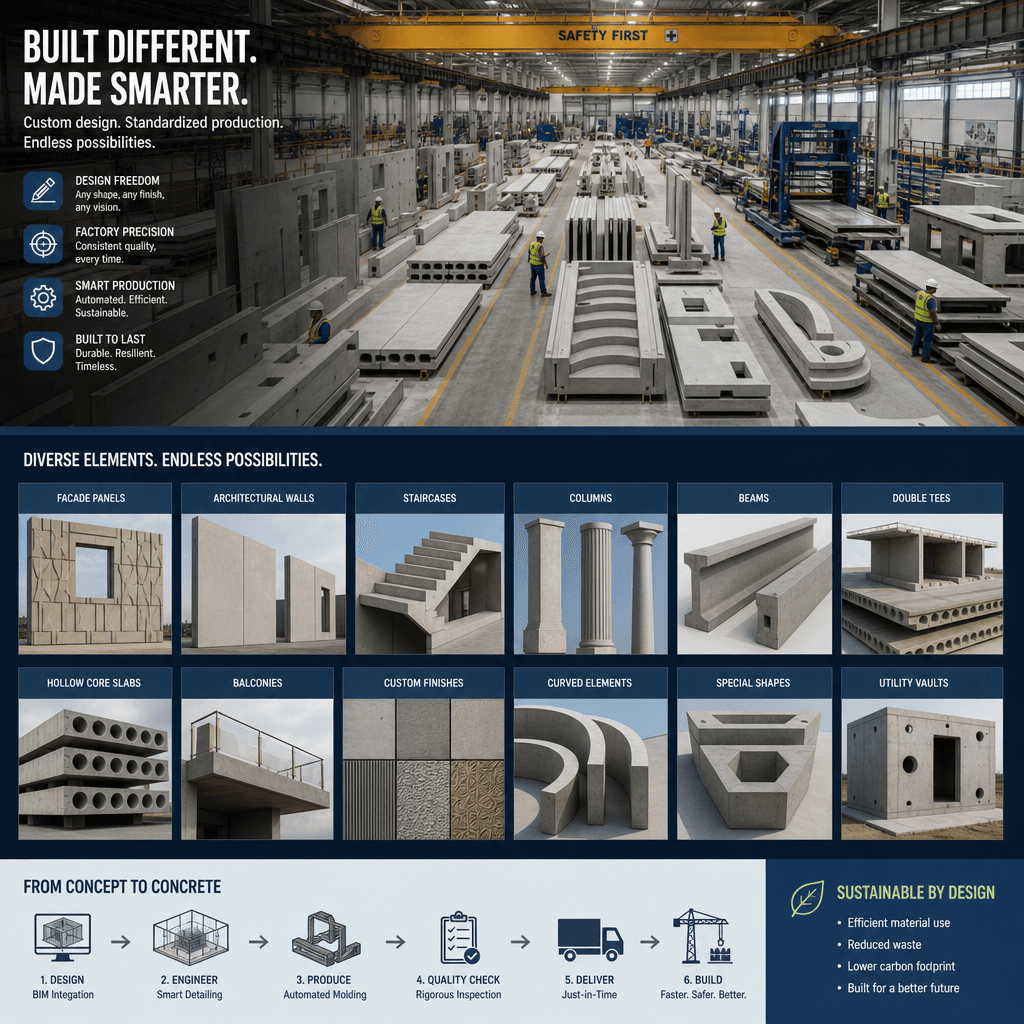
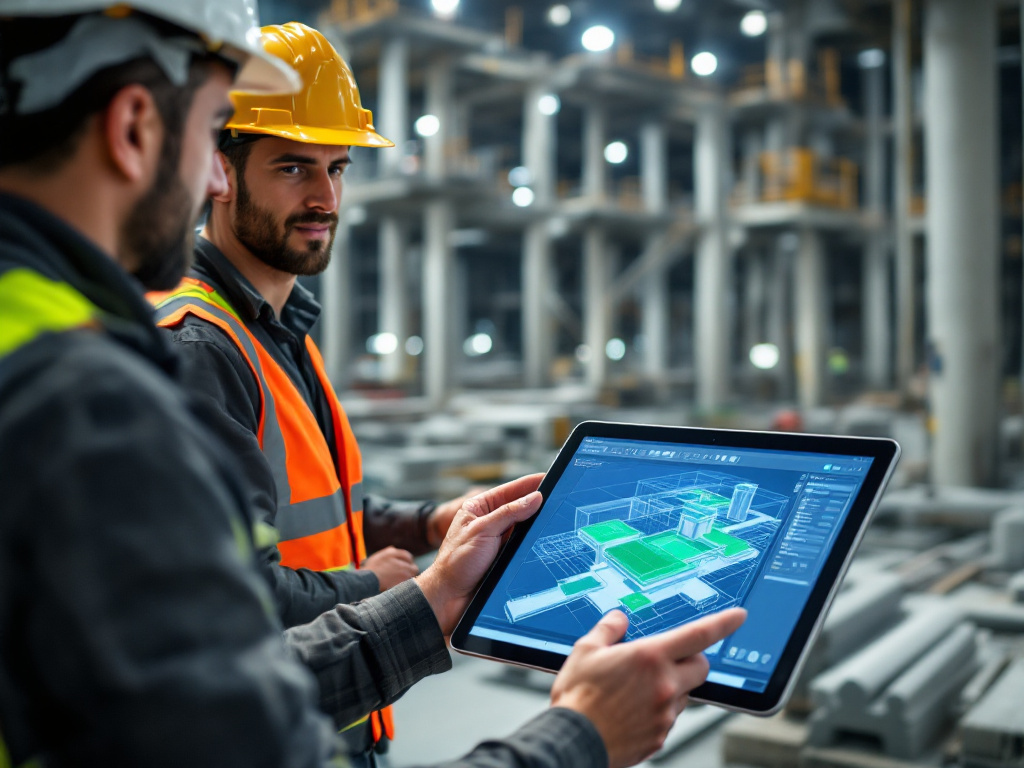
Production-oriented BIM models are designed specifically to optimize the manufacturing phase of precast concrete projects. Unlike traditional BIM models which primarily focus on design and early construction stages, production-oriented BIM integrates detailed fabrication information directly into the model. This means every aspect of production is tied back to the digital blueprint, ensuring that what’s designed on the screen is what gets produced on-site.
The Vision: BIM as Production Infrastructure
From my perspective as a leader in BIM technologies for precast concrete, it's time to envision BIM as not just a design tool but as pivotal production infrastructure. As we lean into this vision, we can redefine BIM's role in aligning every part of the construction chain, from initial planning to final production tasks. By treating BIM as an infrastructure element, we achieve a unified platform that transforms project setups from siloed tasks into cohesive processes.
Benefits of Production-Oriented BIM Models in Precast Projects
1. Enhanced Efficiency in Project Workflows:
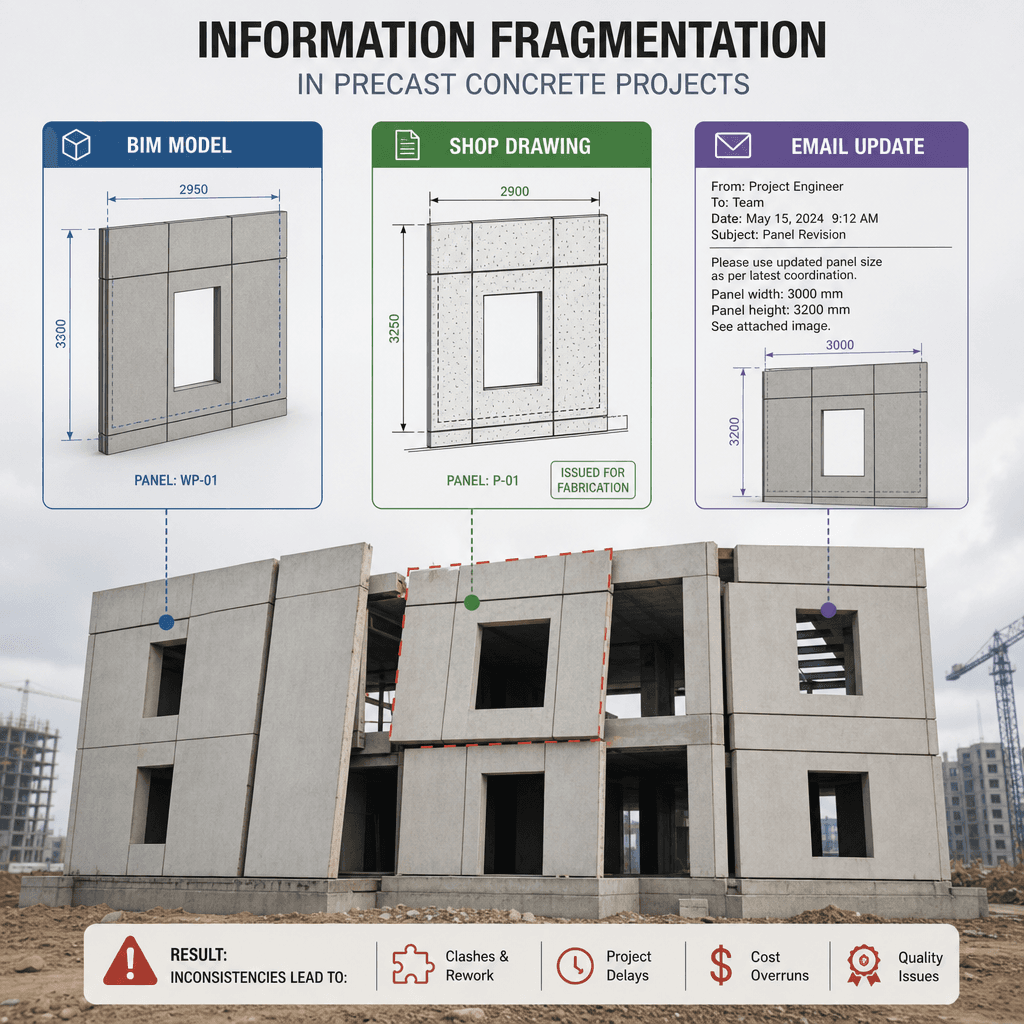
Production-oriented BIM ensures that every team involved in a project operates on the same information, thus speeding up the decision-making process and reducing delays.
2. Greater Accuracy in Shop Drawings and Detailing:
Bridging the gap between design and fabrication, these models offer precise detailing which translates to fewer errors during production.
3. Streamlined Coordination:
By centralizing all production data within the BIM model, coordination amongst manufacturers, engineers, and architects becomes seamless.
Impact on Project Success
- Meeting Deadlines: With streamlined workflows and precise detailing, production-oriented BIM helps projects stay on schedule.
- Cost Reduction: Minimizing production errors reduces wastage and additional costs, offering a direct financial benefit.
- Improved Quality: Consistent with digital designs, quality improvements are common as errors, and unexpected changes are minimized.
Future of BIM in Precast Construction
The future looks promising as production-oriented BIM continues to evolve, incorporating advancements such as AI and machine learning, further increasing its precision and capabilities to revolutionize the precast industry.
Conclusion
Production-oriented BIM models are not just an optional upgrade but a critical need for any precast project aiming for efficiency and success. Embracing this transition can save time, money, and miscommunication - resulting in smoother project execution.
For precast manufacturers ready to revolutionize their process, Biminglabs offers comprehensive expertise and support. Explore the possibilities by connecting with us at Biminglabs.
Tags