1 September 2026 · 2 min read
BIM Is a Database That Happens to Look Like a Building
By Biminglabs
BIM Is a Database That Happens to Look Like a Building
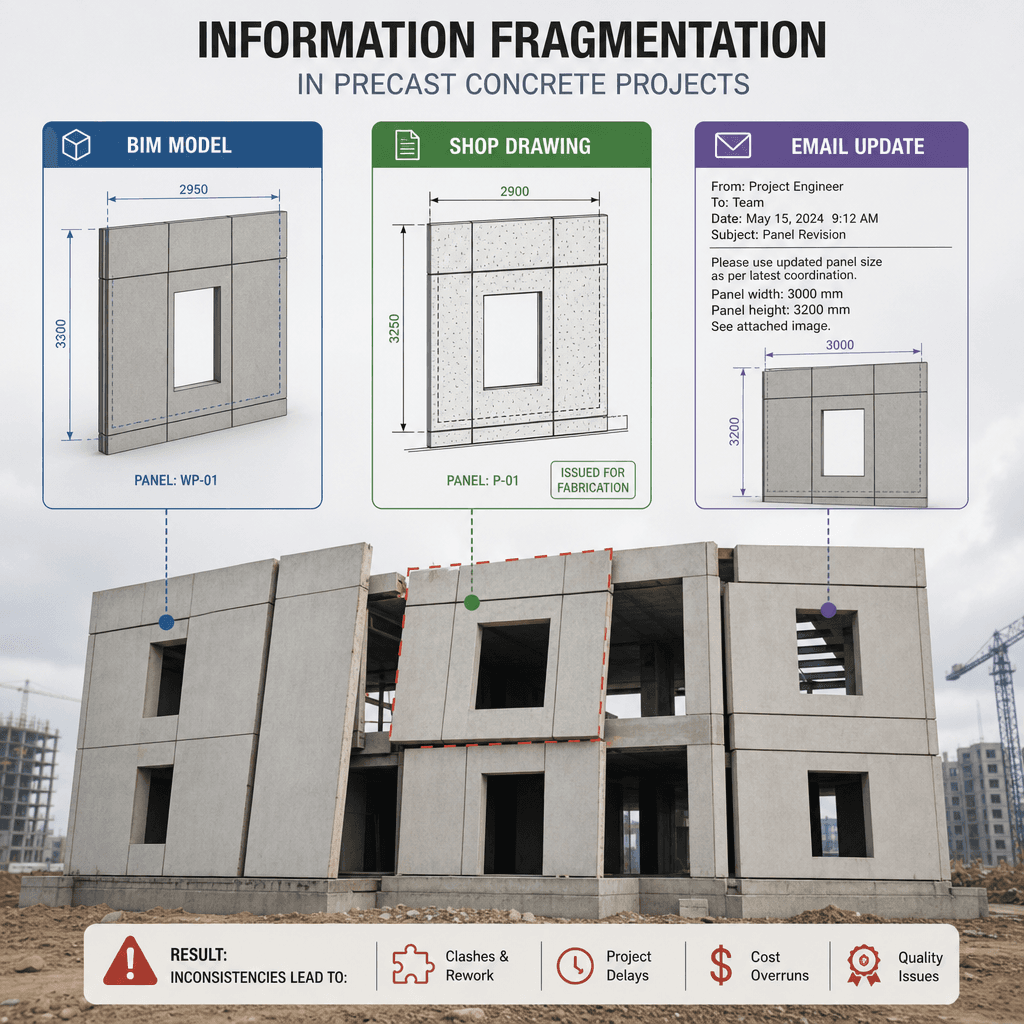
In the realm of construction, Building Information Modeling (BIM) often conjures images of detailed digital structures showcasing a project's geometry, visual design, and architectural coordination; however, this conventional perception only scratches the surface of BIM's true capacity. For savvy professionals engaged in industrialized construction, the genuine value of BIM lies well beyond its visual representation: it's found in the structured information attached to each and every element.
Understanding BIM Beyond Geometry
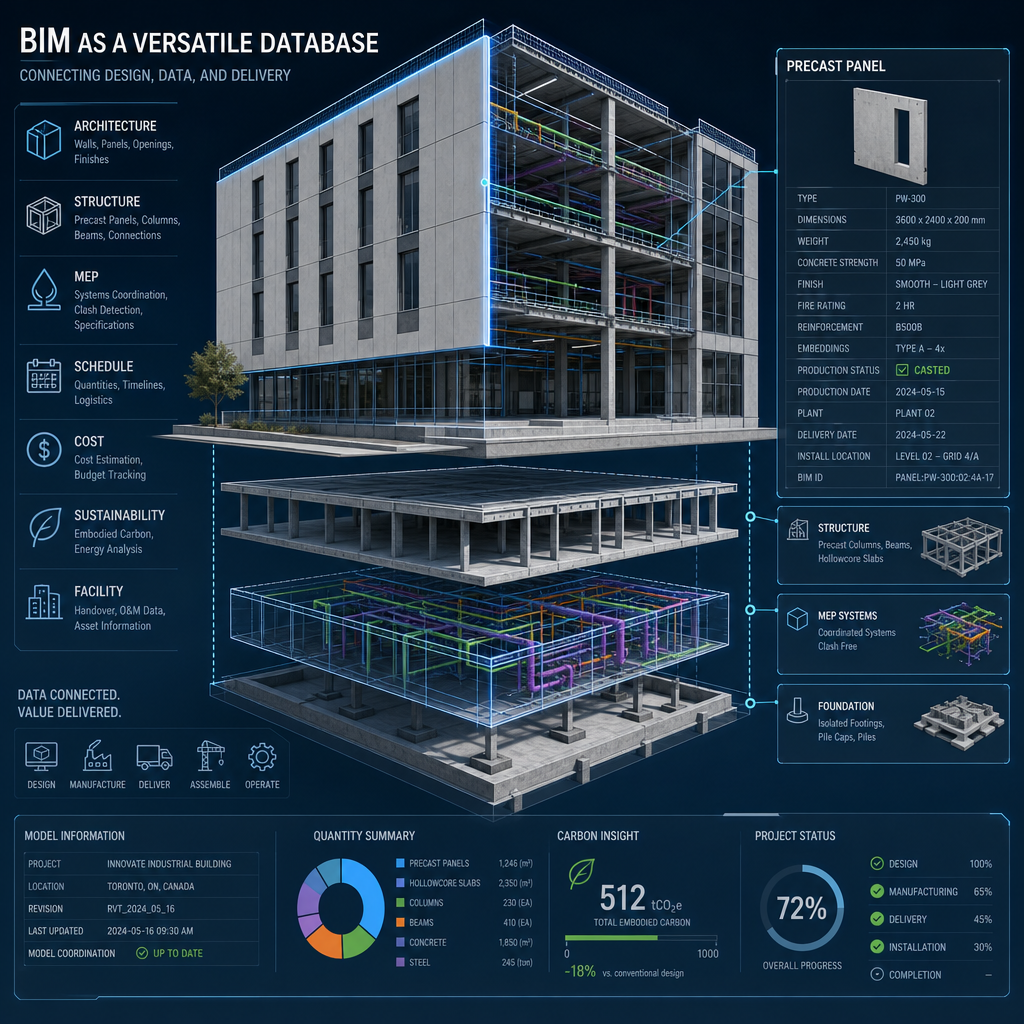
There's a pervasive misconception that BIM is mainly about the visual and geometric aspects; while geometry remains a fundamental aspect, the real power of BIM as a tool for modern construction lies in its ability to act as a rich database. Every modeled element within a BIM system can contain a wealth of data, transforming how projects are understood and executed.
The Role of Structured Information
Consider a precast panel. Beyond just its geometrical design and placement, it encompasses a variety of data points: type, dimensions, weight, reinforcement details, connection protocols, embedments, and even production status. Moreover, BIM enables tracking of crucial logistics and installation sequences, approvals, and compliance records. This plethora of structured information doesn't just provide insight; it opens new possibilities for efficiency, precision, and coordination.
Impact on Industrialized Construction
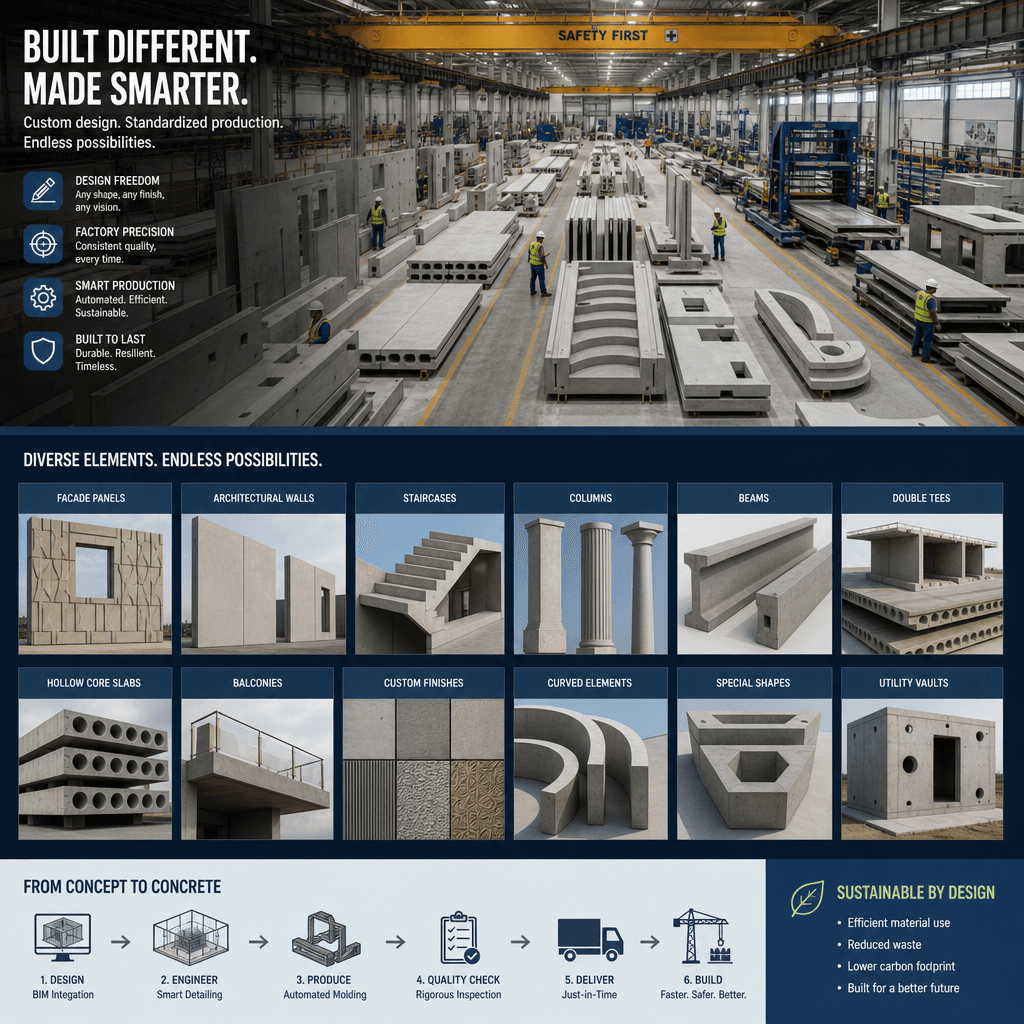
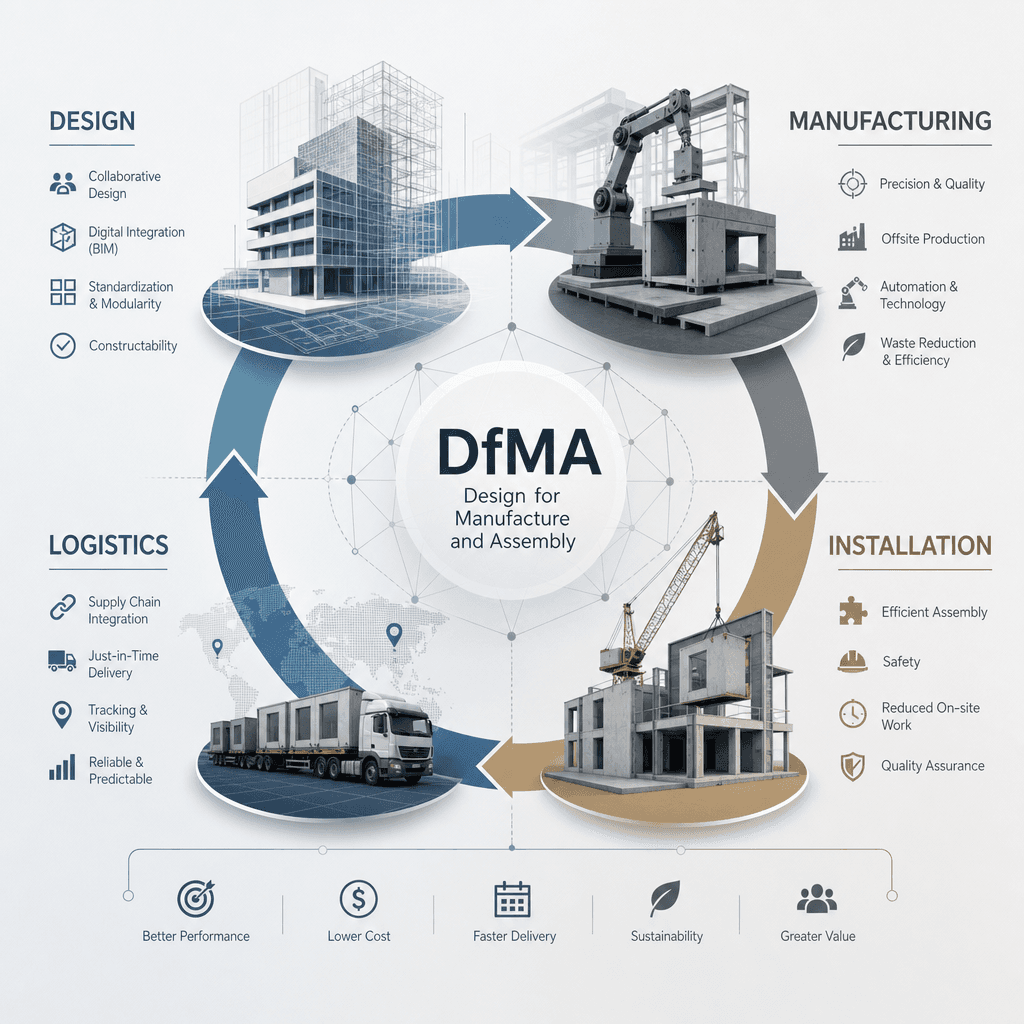
With its robust data-oriented approach, BIM plays an essential part in industrialized construction; allowing for streamlined production processes. When data is meticulously structured, it permits standardization, bolstering efficiency while still allowing room for creative designs. Instead of reinventing the wheel with each new project, uniformity facilitated by BIM enhances adaptability and speed, cutting down wastage and delays.
Integration with Production Systems
BIM models, when optimally structured, can seamlessly integrate with production systems, serving as crucial cogs in the mechanized workflow; this integration not only enhances the automation of manufacturing processes but also enriches them with actionable insights derived from precise data analytics. Imagine a construction site where each step is guided and refined by real-time analytics, ensuring every decision is informed and operationally sound.
At its core, BIM is a database disguised as a building; by exploiting the vast repositories of information it houses, forward-thinking companies can revolutionize their approach to construction. Biminglabs stands as a partner in these innovations, ready to enable enhanced design processes through our expertise in BIM.
Ready to optimize your BIM approach? Contact Biminglabs for expert guidance and take your project's potential to new heights.
Tags