
18 August 2026 · 3 min read
From Project-Based Construction to Product-Based Construction: A Paradigm Shift
By Biminglabs
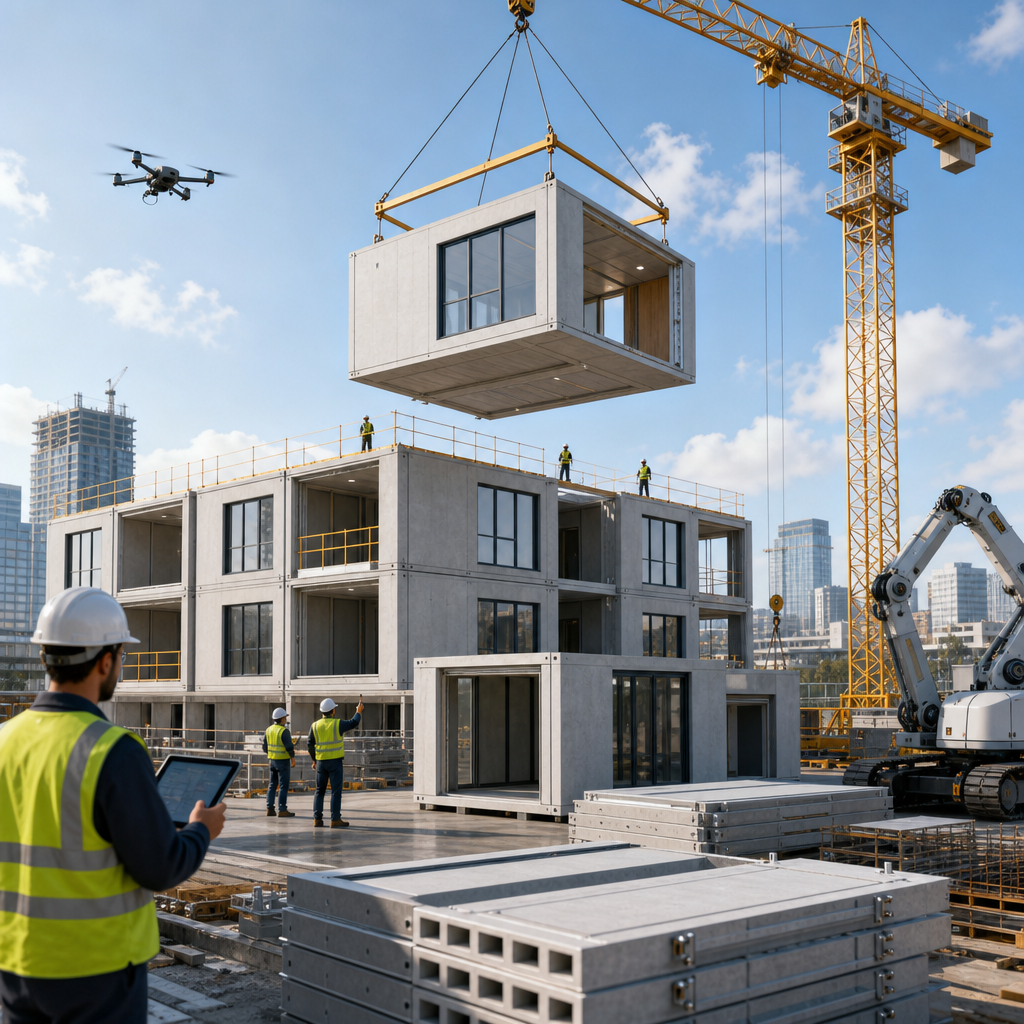
In the realm of construction, an evolution is underway. The industry is steadily transitioning from its traditional project-based nature to a more modern, product-based approach. This shift reflects a broader industrial trend towards standardization and efficiency, where buildings are no longer seen as unique standalone projects but rather as systems of repeatable and configurable products.
Understanding the Shift
- Project-Based vs. Product-Based: Traditionally, construction has treated each project as a unique entity, custom-developed from the ground up. This approach, while flexible, often leads to inefficiencies and increased costs. In contrast, product-based construction treats buildings as repeatable modules that can be systematically replicated and assembled.
- Drivers of Change: Several factors are driving this change, including economic pressures, technological advancements, and the growing emphasis on sustainability. The need for cost-effective, high-quality, and rapid construction solutions has never been more critical.
The Role of Standardization
- Benefits of Standardization: The standardization of construction components and processes offers numerous benefits. It leads to improved efficiency, reduced costs, and increased predictability. Projects become more straightforward to manage, as components are pre-designed and tested.
- Examples in Practice: Companies that have embraced standardization are reaping the rewards with streamlined operations and improved project outcomes.
Design for Manufacturing and Assembly (DfMA)
- Introduction to DfMA: Design for Manufacturing and Assembly is a methodology that emphasizes designing products for easy manufacturing and assembly. It merges the design and production processes, driving down costs and time-to-completion.
- Impact on Construction: By integrating DfMA, construction companies can better streamline efforts, ensuring that components are not only efficient to produce but also easy to assemble on-site.
Repeatability and Configurable Components
- Repeatable Designs: The use of repeatable designs helps in making the construction process more predictable and controlled. Modular building blocks can be used across different projects, retaining quality and reducing waste.
- Configurable Components: While components are standardized, they remain configurable, allowing for customization within a robust framework. This flexibility ensures aesthetic and functional requirements are met without reinventing the wheel.
The Power of BIM Data
- BIM in Industrialized Construction: Building Information Modeling (BIM) is pivotal in facilitating this industrialized approach. BIM's robust data management capabilities ensure precision and consistency across all project stages.
- Enhancing Collaboration and Accuracy: With accurate BIM data, teams can collaborate more effectively, minimizing errors and enhancing construction timelines and outcomes.
Advancements in Manufacturing Techniques
- Modern Techniques: Innovations such as 3D printing and prefabrication are revolutionizing the manufacturing of building components. These techniques contribute to a more product-oriented construction approach, allowing for high precision and reduced material usage.
- Integration with Construction: By marrying these manufacturing advancements with traditional construction practices, structures can be built faster, cheaper, and with better quality control.
The shift from project-based to product-based construction is not just a trend but a necessary response to industry demands. This modern approach brings numerous benefits, from improved efficiency to economic savings, shaping a more responsive and sustainable construction environment. As the industry continues to evolve, embracing these methodologies will be key to staying competitive.
For professionals keen on exploring these modern practices in their projects, Biminglabs offers expertise and tailored solutions to facilitate this transition.
Tags
More from the blog
29 September 2026 · 2 min
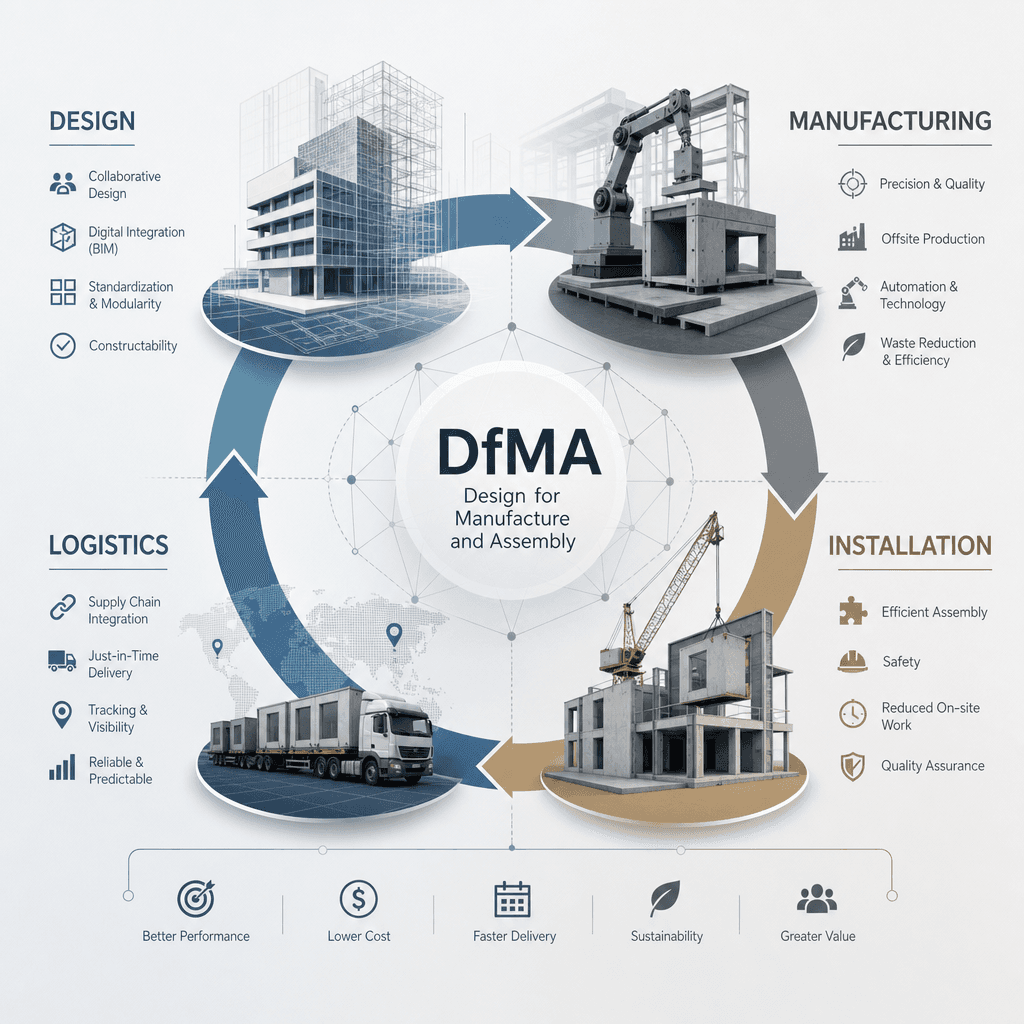
DfMA Is Not Just a Design Method, It Is an Operating Model
15 September 2026 · 2 min
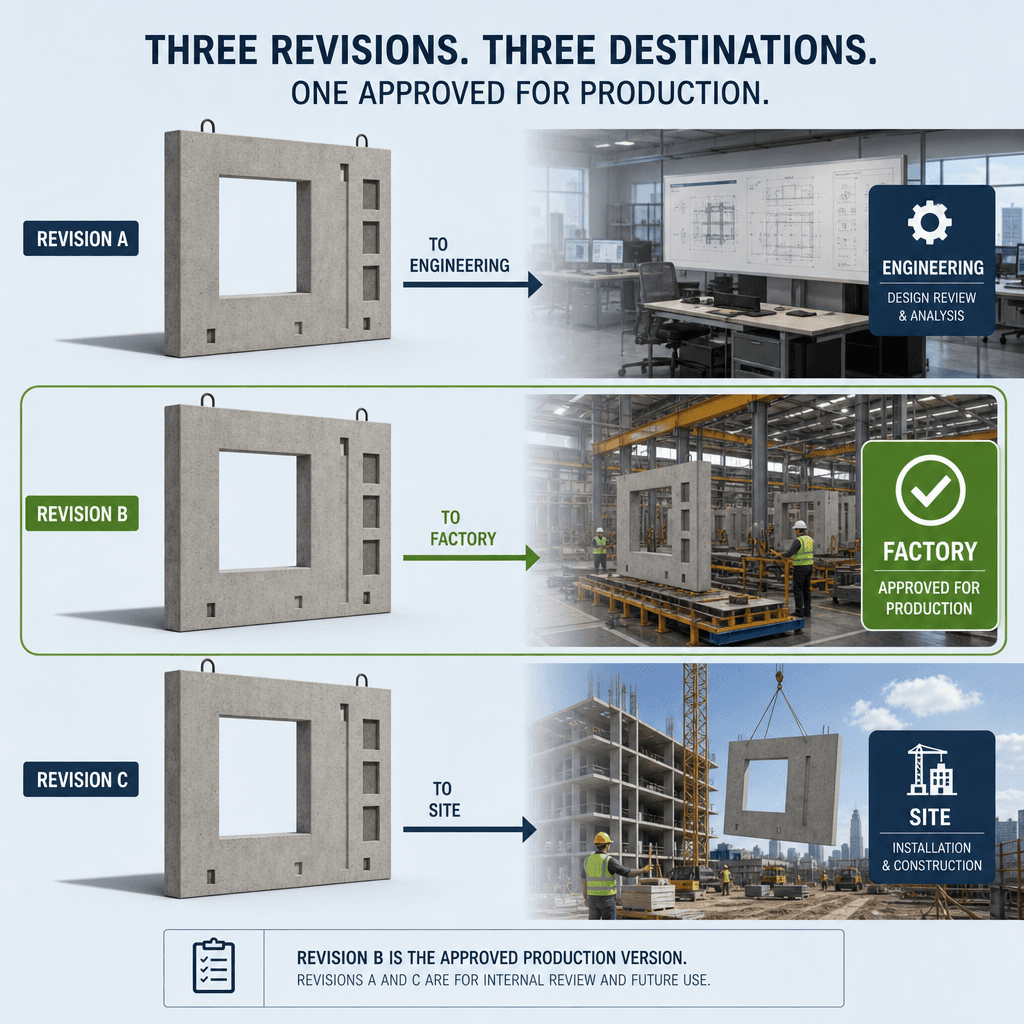
One Panel, Three Versions: Unraveling the Hidden Risks in Precast Production
15 September 2026 · 2 min