3 February 2026 · 2 min read
The Role of Blockchain Technology in Precast Concrete Supply Chain Management
By Jim Mills

Blockchain technology has increasingly become a focal point of interest across various industries due to its ability to streamline operations and foster transparency. The precast concrete industry, known for its complex supply chain requirements, stands to benefit significantly from integrating blockchain. By improving traceability and efficiency, blockchain can address perennial challenges faced in supply chain management, leading to improved overall performance.
Understanding Blockchain Technology
Blockchain, at its core, is a decentralized ledger that records transactions in a secure and immutable manner. Its popularity stems from its key attributes: transparency, security, and decentralization. In the context of supply chains, these features can enable real-time tracking of materials, enhancing communication and accountability across various stakeholders.
Challenges in the Precast Concrete Supply Chain
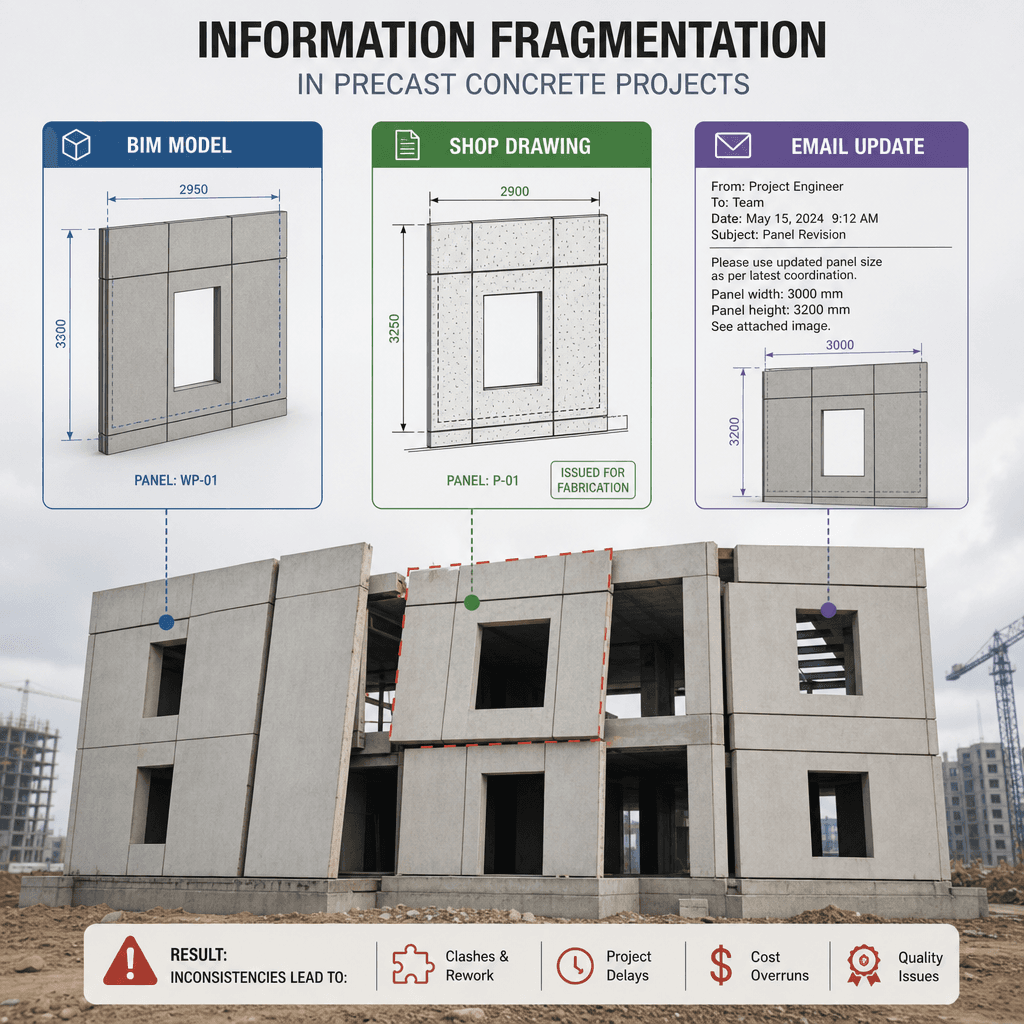
Traditional supply chain management in precast concrete is often plagued by inefficiencies, including a lack of clear visibility, miscommunication, and errors in procurement. These challenges can lead to delays, increased costs, and compromised project quality. The industry's reliance on multiple intermediaries also makes it susceptible to errors and fraud, necessitating a more robust management approach.
How Blockchain Can Transform Precast Concrete Supply Chains
1. Enhanced Transparency and Traceability: Blockchain provides a shared platform where all transactions are visible to authorized parties. This enhances traceability from production to delivery, ensuring that stakeholders can track materials and verify authenticity.
2. Improved Inventory Management: By recording real-time inventory data, blockchain helps precast manufacturers monitor stock levels accurately. This enables just-in-time delivery, reducing waste and optimizing resource use.
3. Streamlined Procurement Processes: Automation of transactions through smart contracts ensures that all terms and conditions are met before payment is released. This reduces manual errors and accelerates the procurement cycle, resulting in cost savings.
4. Reduction of Errors and Fraud: Blockchain's immutable ledger prevents unauthorized alterations to transaction records. This reduces the likelihood of fraud and errors, contributing to a more dependable supply chain.
Considerations and Challenges
Despite its benefits, adopting blockchain technology is not without challenges. High initial setup costs, technological complexity, and the need for industry-wide collaboration can act as barriers. Organizations must carefully assess these considerations and develop strategies to overcome them, ensuring a smooth transition.
Final Thoughts
Blockchain offers a revolutionary approach to managing precast concrete supply chains, addressing key challenges like transparency, efficiency, and fraud prevention. As the industry continues to evolve, embracing blockchain could pave the way for a more streamlined and resilient supply chain. The future looks promising for those willing to invest in this transformative technology.

For precast concrete manufacturers looking to enhance their supply chain operations, partnering with experts like Biminglabs can be instrumental. Biminglabs provides tailored solutions to help businesses effectively integrate blockchain technology, ensuring successful implementation and long-term benefits.
Tags
More from the blog