22 July 2026 · 2 min read
Your Precast Factory Is Probably Waiting for Engineering, Not Concrete
By Biminglabs
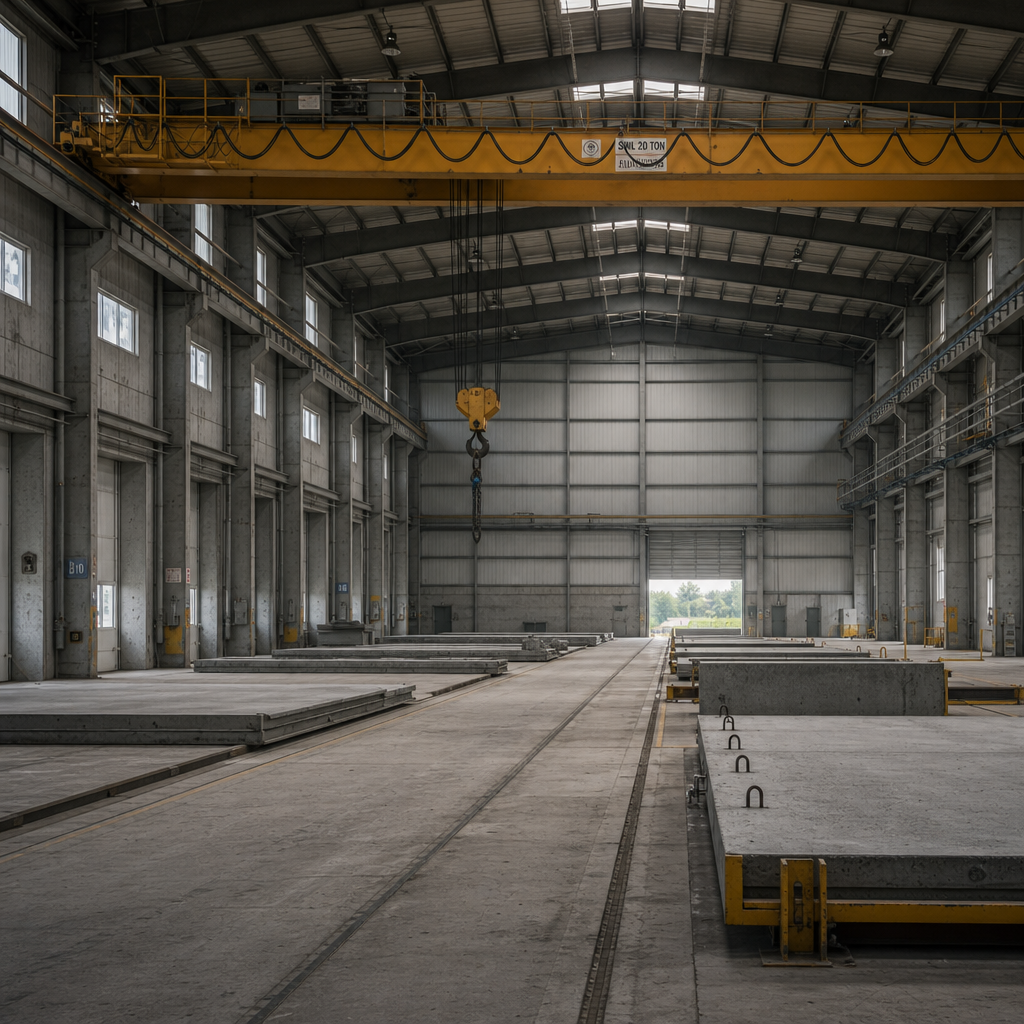
In the fast-paced world of precast concrete manufacturing, an often-overlooked bottleneck lies not in the supply of concrete but in engineering delays. Synchronizing engineering and production processes is critical for maintaining smooth operations, yet many factories find themselves at a standstill due to a lack of coordination and communication in their engineering departments.
The Common Misconception
It’s a common belief that material supply issues are the primary cause of delays in precast factories. However, the reality paints a different picture. The true culprits are often engineering and design coordination issues, elements that can bring production lines to a screeching halt.
The Role of Engineering Delays
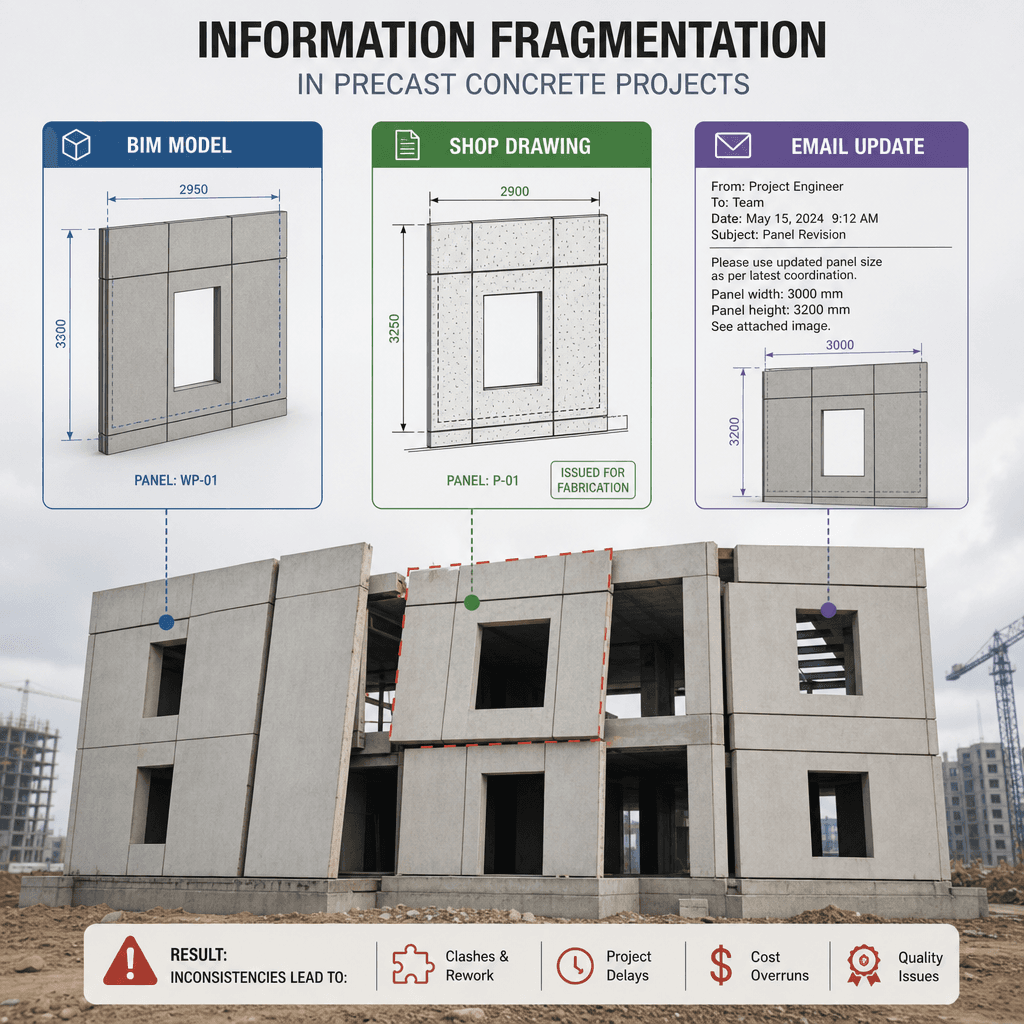
Incomplete models, lack of detailing, and sudden changes in design can wreak havoc on production timelines. Without efficient engineering workflows, factories must frequently halt production to resolve discrepancies, causing costly delays. Ensuring a seamless flow from engineering to manufacturing is paramount for success.
Real-world Example: Sarah Mildred Long Bridge
The Sarah Mildred Long Bridge replacement demonstrates the financial and scheduling consequences that engineering problems can have on a precast-intensive project. The $163 million bridge incorporated approximately 500 post-tensioned precast concrete segments.
According to Engineering News-Record, the bridge opened seven months later than planned. The contractor claimed that design deficiencies contributed to additional costs and delays and subsequently received a $5 million settlement from the Maine and New Hampshire transportation departments.
Although the published account does not isolate the effect on the precast factory’s production schedule, the case demonstrates the wider risk: when engineering information is not resolved on time, the consequences can extend through fabrication, logistics, and site installation.
Solutions to Bridge the Gap
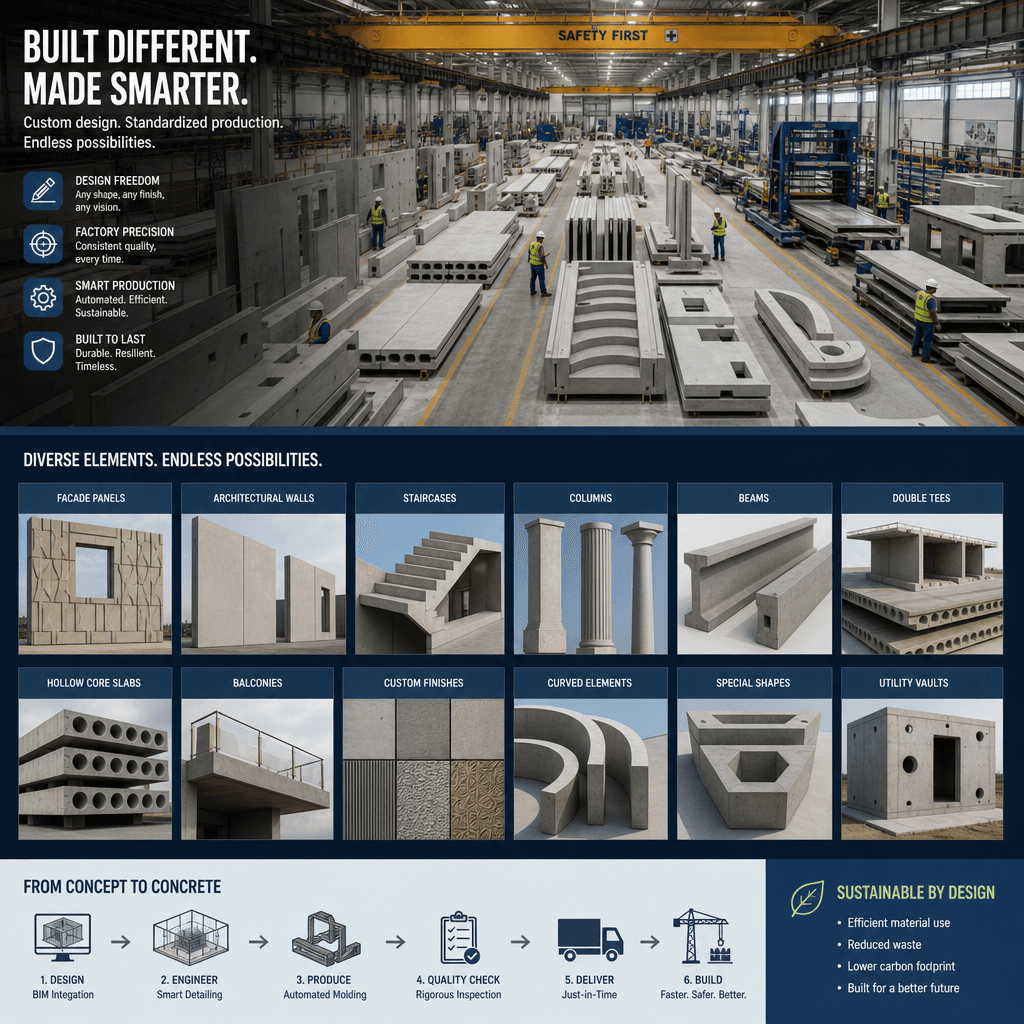
Improving engineering efficiency is essential to avoid such issues. Incorporating tools like Building Information Modeling (BIM) technology can centralize workflows and enhance communication between teams. Establishing a centralized model-driven dashboard ensures all departments are aligned, from design to delivery.
Another key strategy is to foster seamless communication and collaboration. Open dialogues between engineering, production, and quality control teams ensure that potential roadblocks are identified and addressed before impacting the supply chain.
Conclusion
Addressing engineering delays is critical for improving factory productivity. By evaluating current processes and implementing technology-driven solutions, precast manufacturers can minimize disruptions and maximize efficiency.
At Biminglabs, we specialize in delivering tailored BIM services to synchronize engineering and production. Contact us to ensure your projects stay on track and achieve their full potential.
Tags