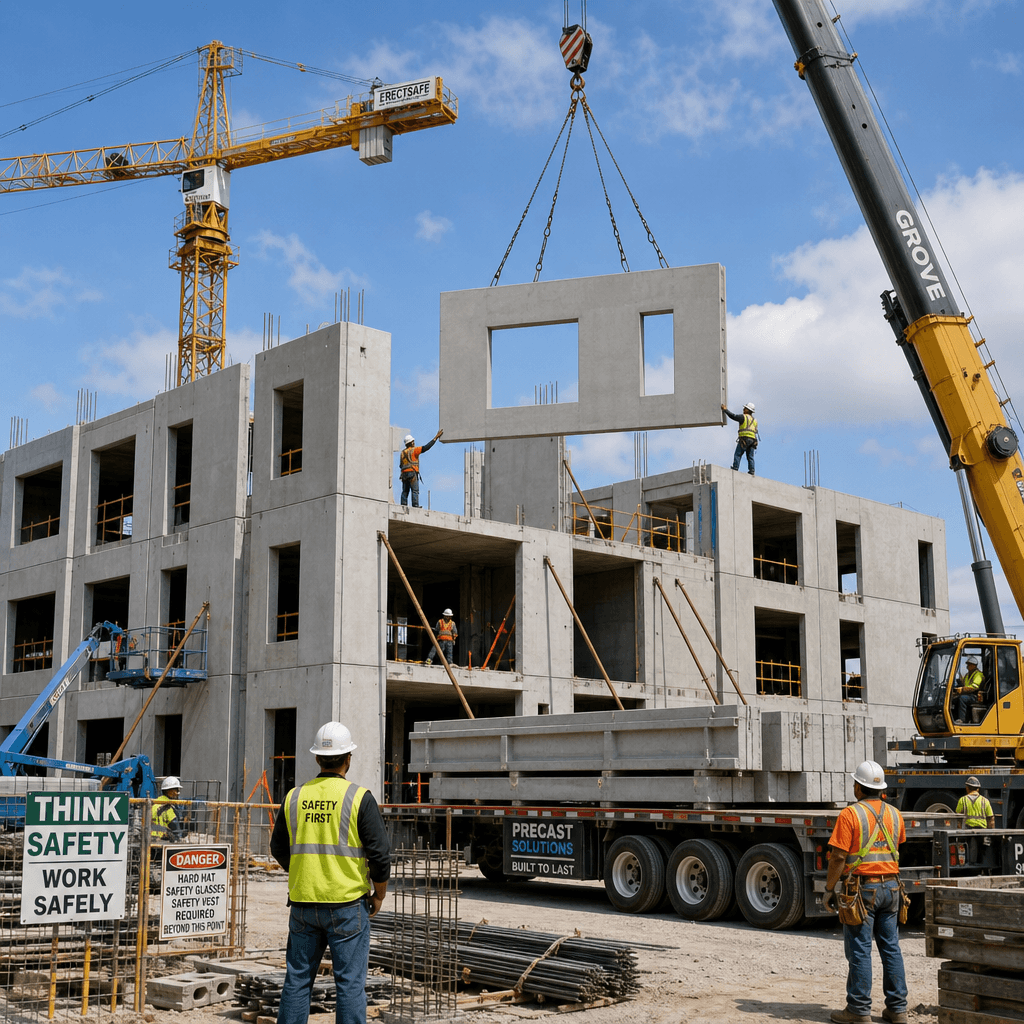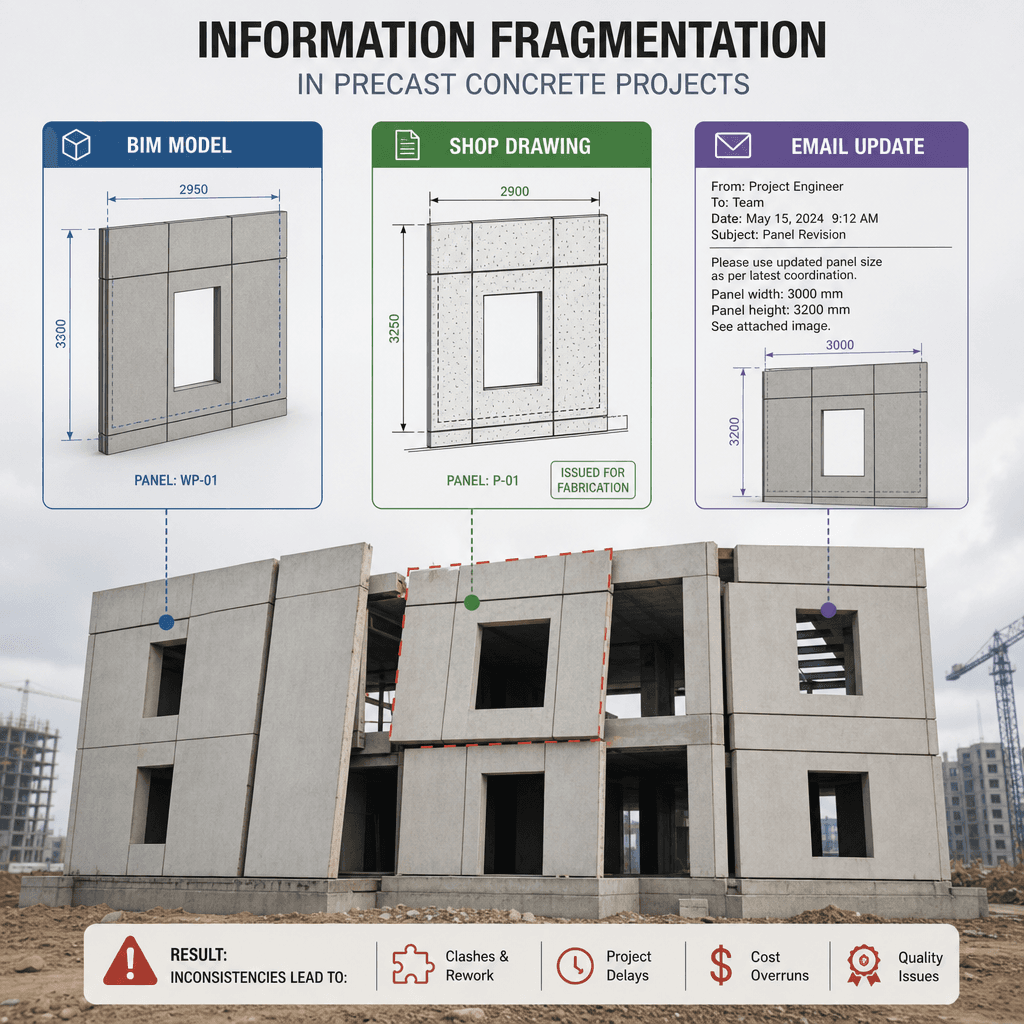
Design stability is critical in precast concrete projects. Any disruption, especially late-stage design changes, often results in significant ripple effects throughout the entire project lifecycle. In this article, we focus on the real costs associated with these changes, highlighting the critical areas of impact.
The Triple Threat: Rework, Delays, and Hidden Costs
Late design changes invariably lead to rework, which not only consumes additional time but also increases the overall labor costs. Projects see timelines extended due to these unforeseen alterations, resulting in delays. Moreover, hidden costs emerge, affecting budgets and causing potential cost overruns. These include expedited material orders, additional labor hours, and overtime paid to meet revised deadlines.
The Domino Effect on Production and Assembly
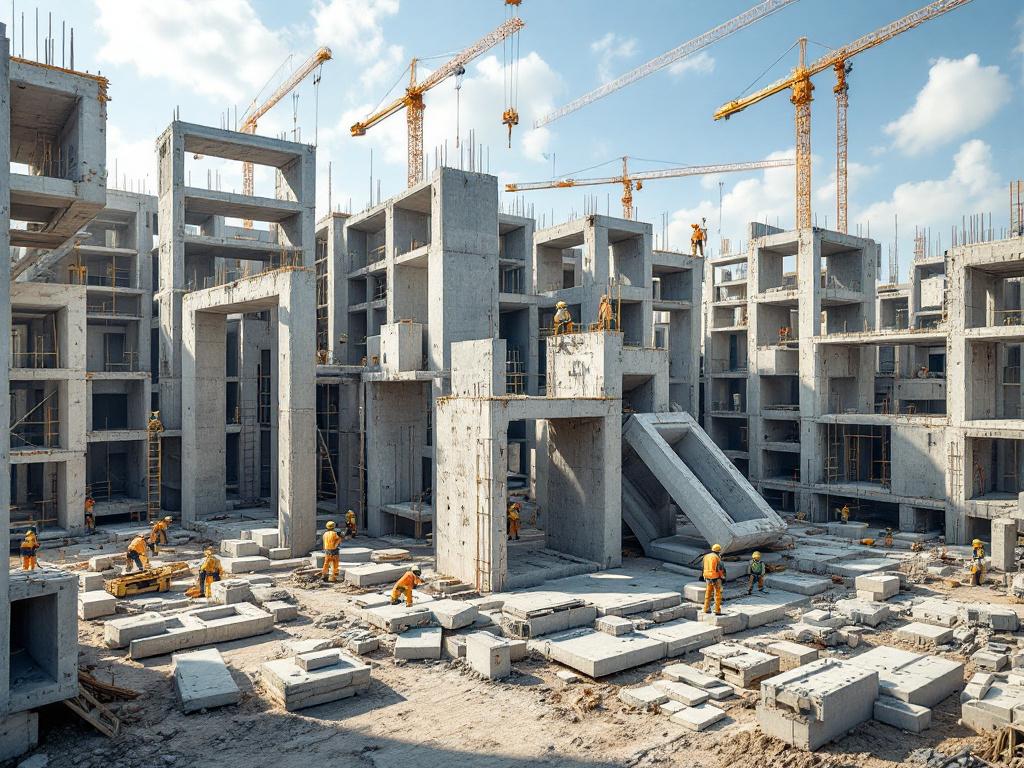
Every phase from production to assembly is interconnected. A change in design can cascade across these stages, disrupting the workflow. For instance, a modification may require new molds, resulting in a slowdown of production lines. Similarly, changes in assembly may require different equipment or new site inspections, complicating logistics and extending timetables.
Impact on Stakeholder Relationships
The ramifications of design changes aren’t confined to internal processes; they extend externally to stakeholders. Suppliers face pressure with sudden orders or cancellations, while contractors must adjust schedules and resources, straining professional relationships. This increased uncertainty challenges the trust, communication, and satisfaction of all parties involved.
Learning from Mistakes: Best Practices for Design Stability
To combat these challenges, adopting best practices for design stability is essential. Start with thorough initial designs, engaging with all stakeholders upfront to minimize changes. Leverage technology and tools like BIM to foresee potential challenge points and enhance communication across teams. Effective project management can significantly reduce the need for late-stage alterations by ensuring all components are thoroughly vetted before proceeding.
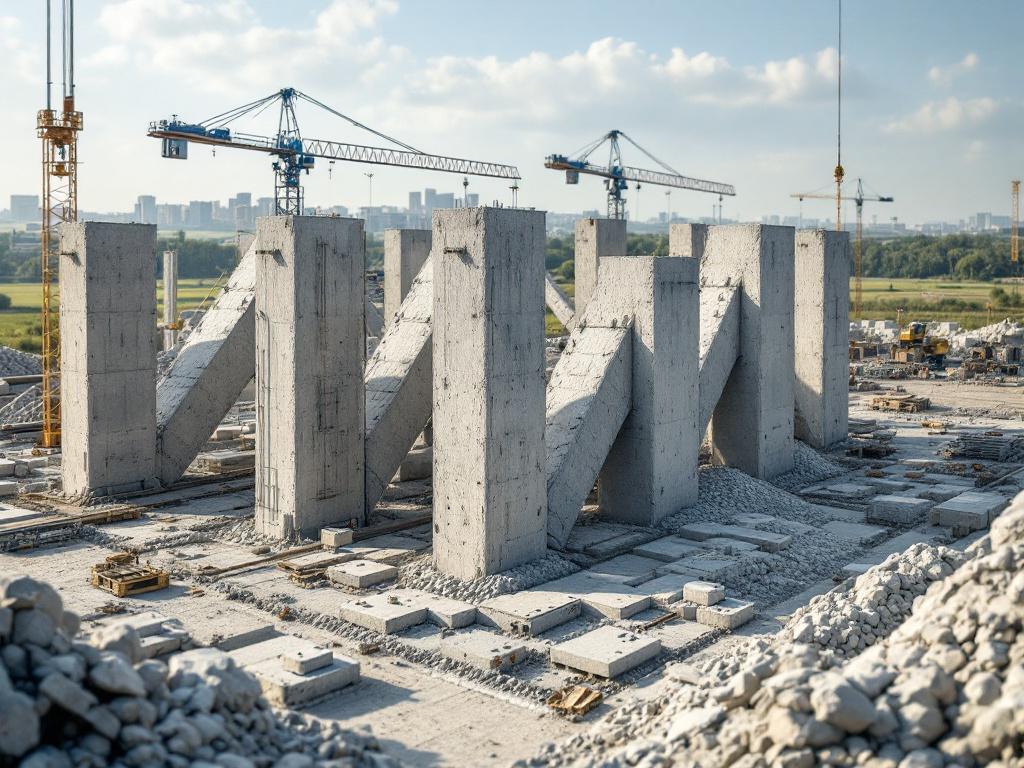
Design changes in precast projects carry a hefty price tag that extends beyond mere financial costs. By prioritizing early decision-making, coordination, and leveraging technology, these costly repercussions can be mitigated. For effective management and to avoid such pitfalls in your precast projects, consider reaching out to Biminglabs for expert BIM services designed to offer stability and efficiency in every project facet.
Tags
More from the blog