The Factory Is Becoming the Construction Site
In the realm of construction, the landscape is shifting dramatically. Traditionally, construction has been synonymous with on-site activity, where the majority of value is created. However, with the emergence of industrialized construction, this is rapidly changing.
The Traditional Construction Paradigm
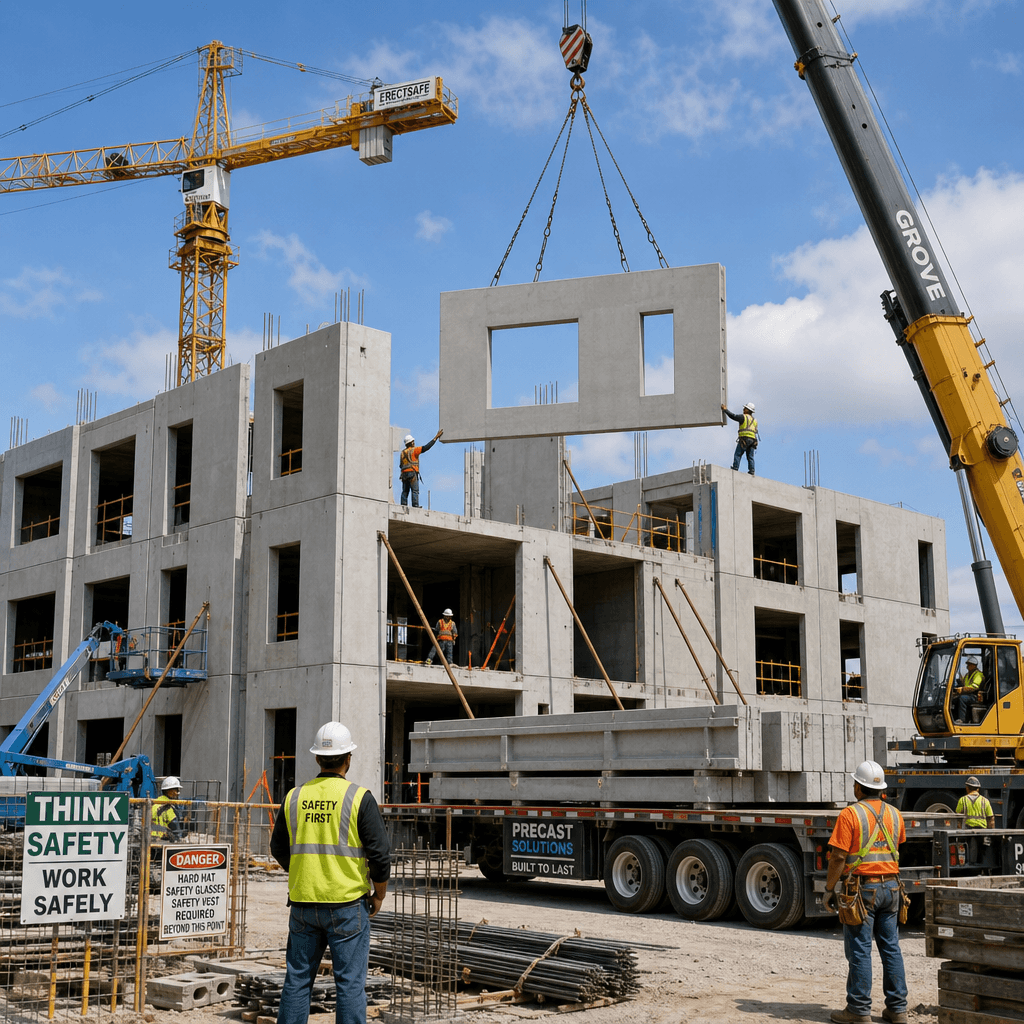
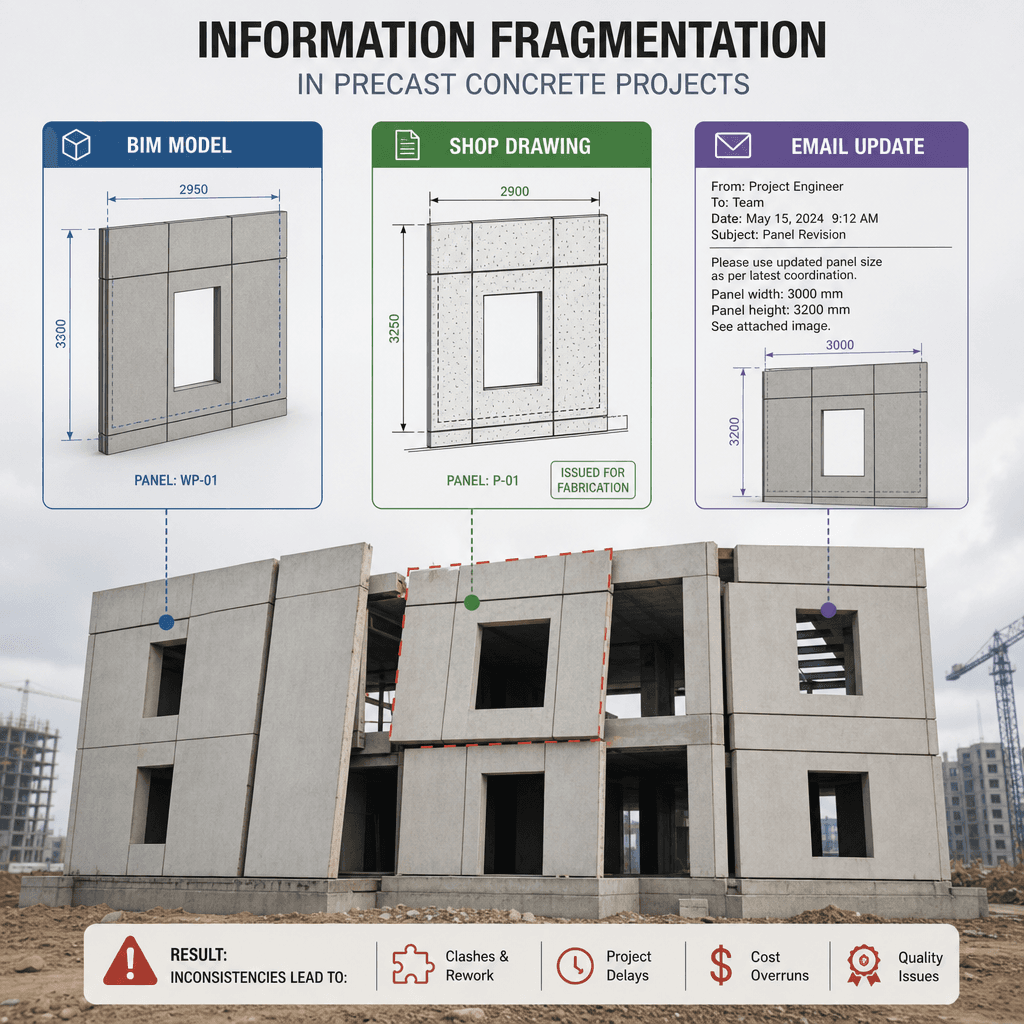
For decades, construction sites have been the heart of project execution. Whether it's erecting structures or troubleshooting on-the-fly challenges, the construction site has been a bustling, dynamic environment. Yet, this traditional model is not without its pitfalls: time-consuming processes, cost overruns, and frequent inefficiencies plague on-site operations.
What is Industrialized Construction?
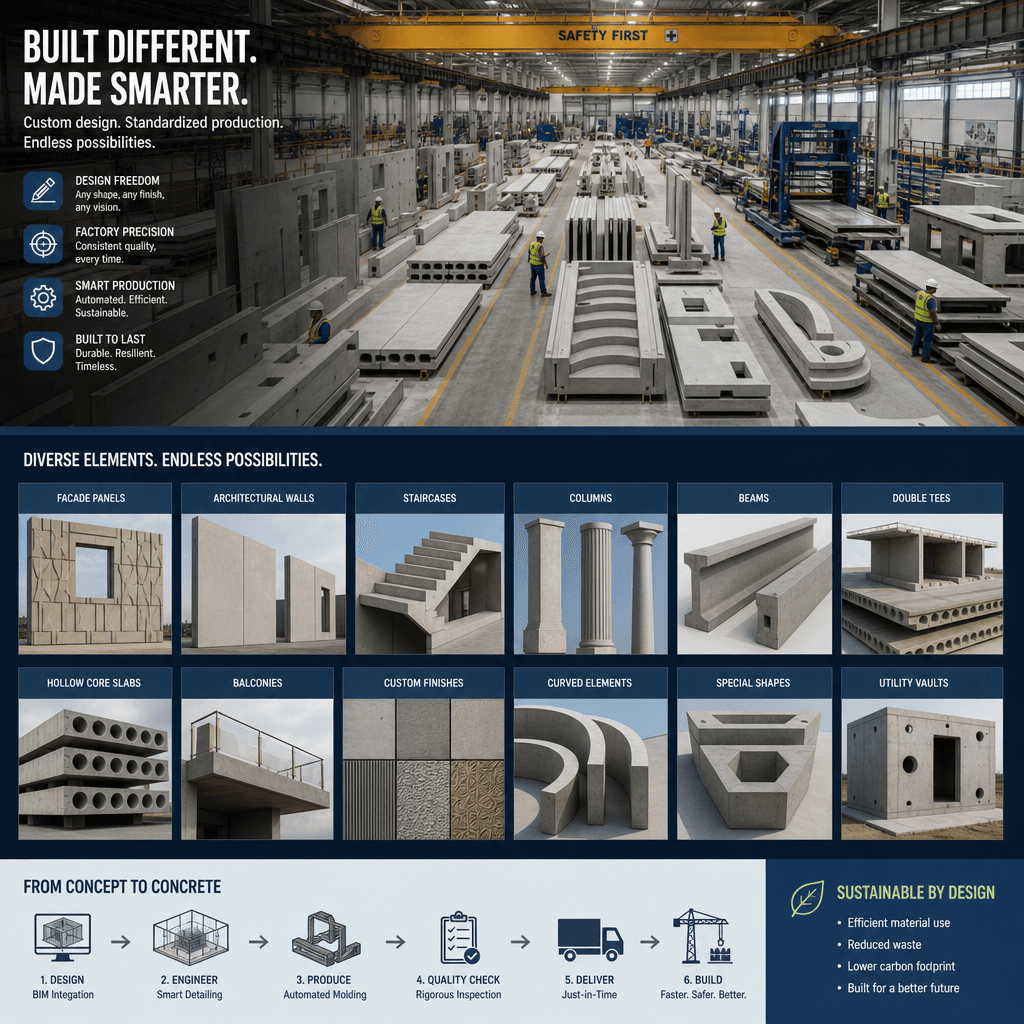
Industrialized construction signifies a seismic shift from the conventional approach. More value is now moving upstream into the realms of engineering, coordination, and controlled manufacturing environments. This shift creates a method where construction becomes more like a manufacturing process; where elements are produced with precision offsite and then assembled onsite.
The Changing Role of Construction Sites
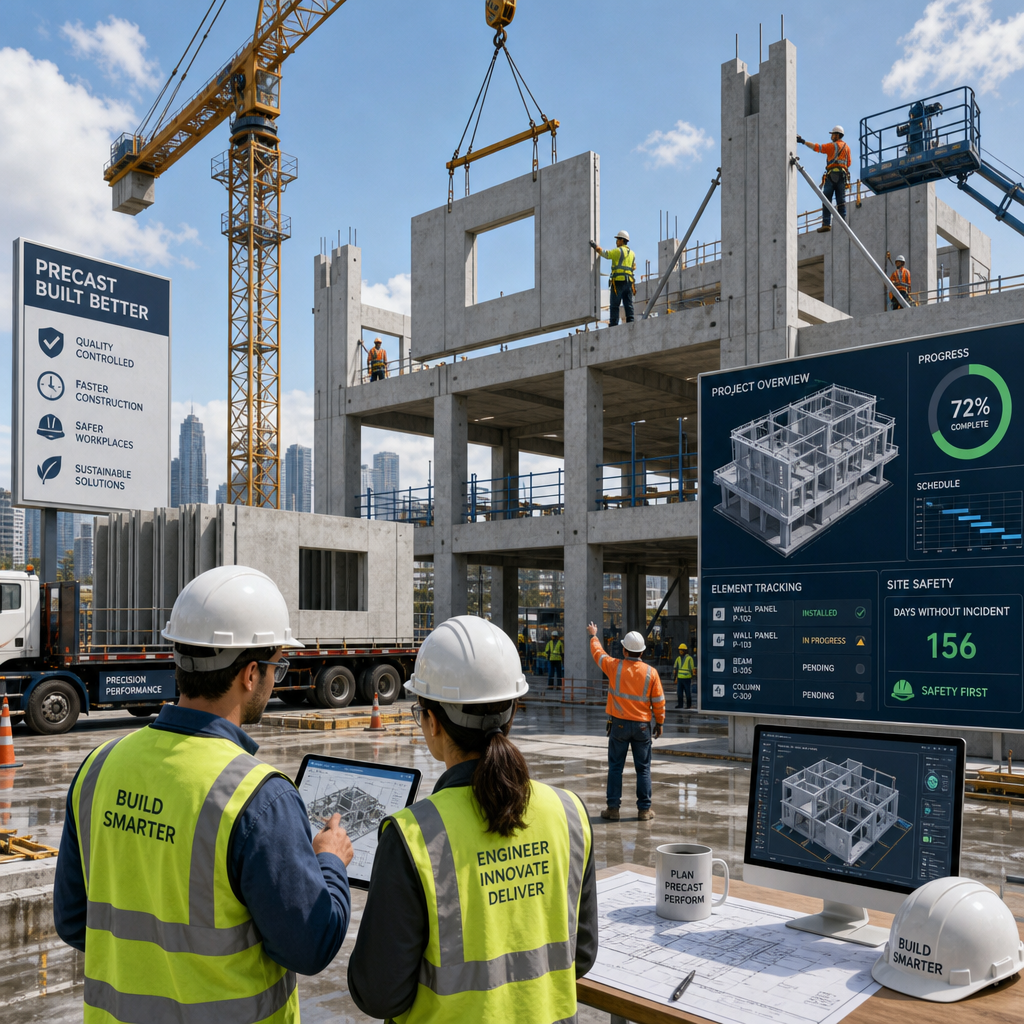
The job site, far from becoming obsolete, is being reimagined. Instead of crafting components from scratch, the construction site is rapidly transforming into an assembly point: where previously engineered and manufactured systems come together seamlessly. This paradigm shift emphasizes efficiency, quality control, and predictability, reducing the chaos often associated with traditional construction.
Benefits of Moving Value Upstream
By leveraging industrialized construction, companies can reap numerous benefits:
- Efficiency Gains: Streamlined processes reduce project timelines and minimize resource wastage.
- Precision and Quality: Manufacturing controlled environments ensure high-quality outputs, reducing errors and rework.
- Technological Facilitation: Tools like Building Information Modeling (BIM) enhance coordination and execution, fitting perfectly into this new paradigm.
Challenges and Considerations
Transitioning to industrialized construction is not without challenges. Workforce adaptation, initial capital investment, and the necessity for detailed upfront planning require careful navigation. Solutions lie in training, strategic investment, and utilizing advanced BIM coordination to streamline processes.
Future Outlook
Looking forward, the momentum behind industrialized construction is poised to grow. As technology continues to evolve, the potential within the precast industry is immense. The shift not only promises enhanced efficiency but also a more sustainable approach to building, aligning with global environmental goals.
Final Thoughts
The transformation from traditional to industrialized construction is shaping the future of the industry. For precast manufacturers and industry stakeholders, embracing this shift offers the opportunity to elevate project outcomes.
Explore how Biminglabs can assist in navigating this new landscape with advanced BIM solutions tailored to your specific needs. Contact us today to seize the benefits of industrialized construction.
Tags