24 February 2026 · 2 min read
Precast BIM Is Not Modeling, It’s Production Strategy
By Jim Mills
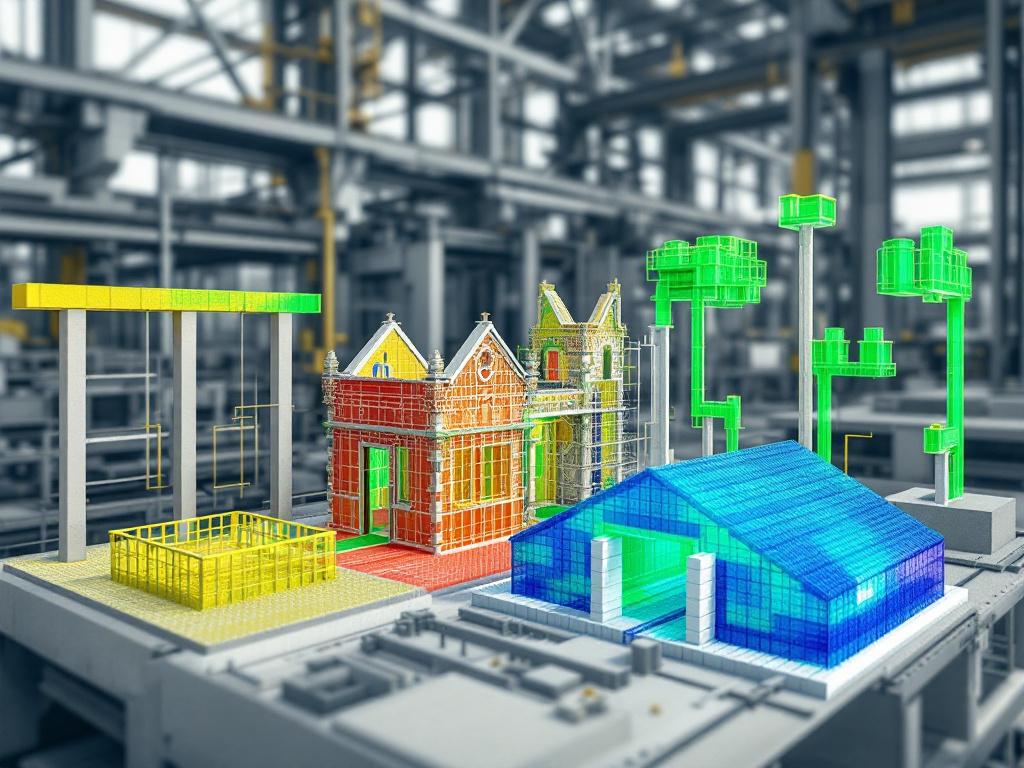
In the dynamic world of precast concrete, the role of BIM transcends traditional 3D modeling. It has become a comprehensive production strategy, orchestrating processes from concept to completion. This post explores this transformation and its impact on the precast industry.
Holistic Integration
BIM is not just a modeling tool. It serves as a central hub integrating all stages of precast production, from initial design to final delivery. By aligning with business objectives, BIM ensures every aspect of production is interconnected and efficient, breaking down silos and fostering a seamlessly coordinated workflow.
Efficiency and Precision
One of the standout features of BIM as a production strategy lies in its ability to enhance precision and efficiency. BIM's data-driven approach enables careful planning and anticipation of potential issues, directly reducing waste and resource usage. This efficiency translates to tangible cost savings and a leaner production process.
Automation and Workflow
BIM significantly automates workflows within the production line. Its integration allows for smoother operations, minimizing manual interventions that could lead to errors. The ability to simulate different scenarios and workflows before actual production makes decision-making more robust and informed.
Quality Assurance
Quality assurance and control (QAQC) are paramount in precast concrete production, and BIM plays a pivotal role here. Through digital mock-ups and simulations, potential quality issues can be identified and addressed early. BIM ensures that every component complies with established standards, fortifying the final output's reliability and durability.
Collaboration and Communication
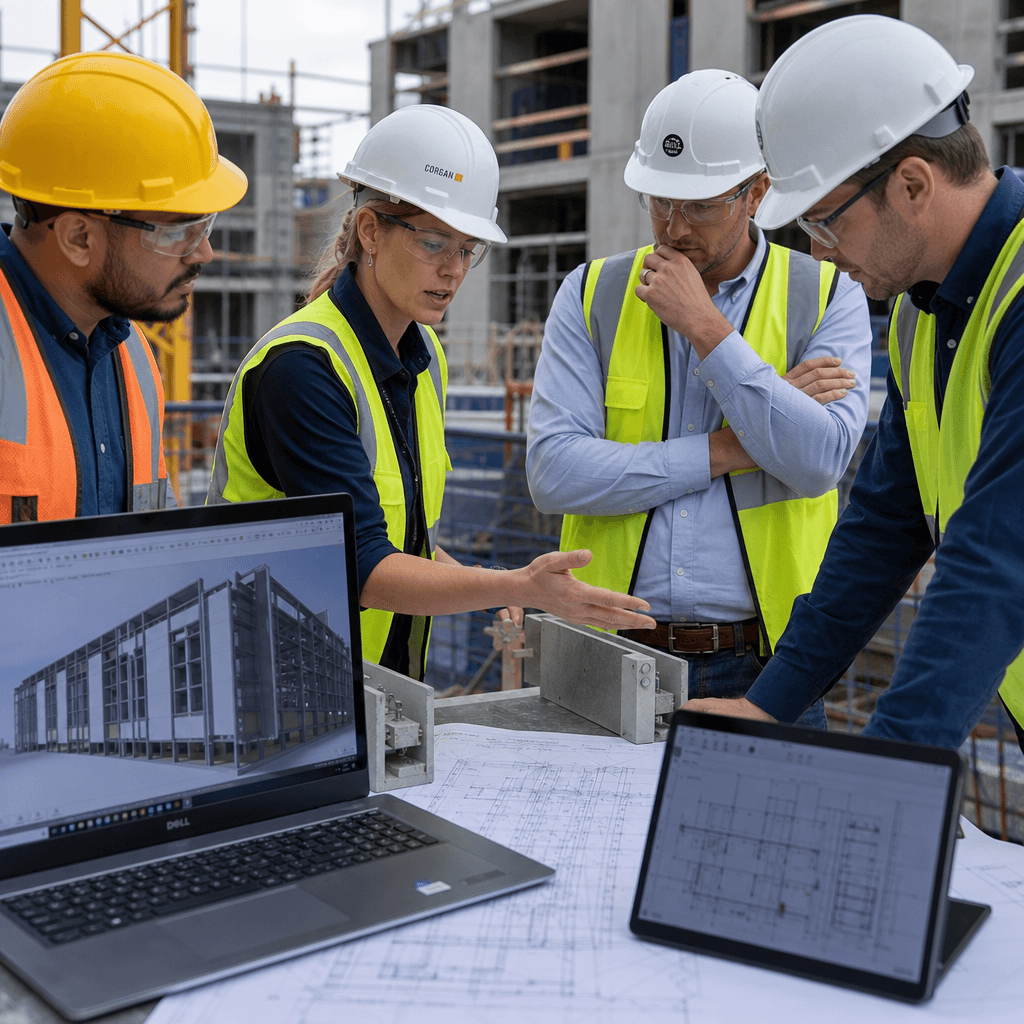
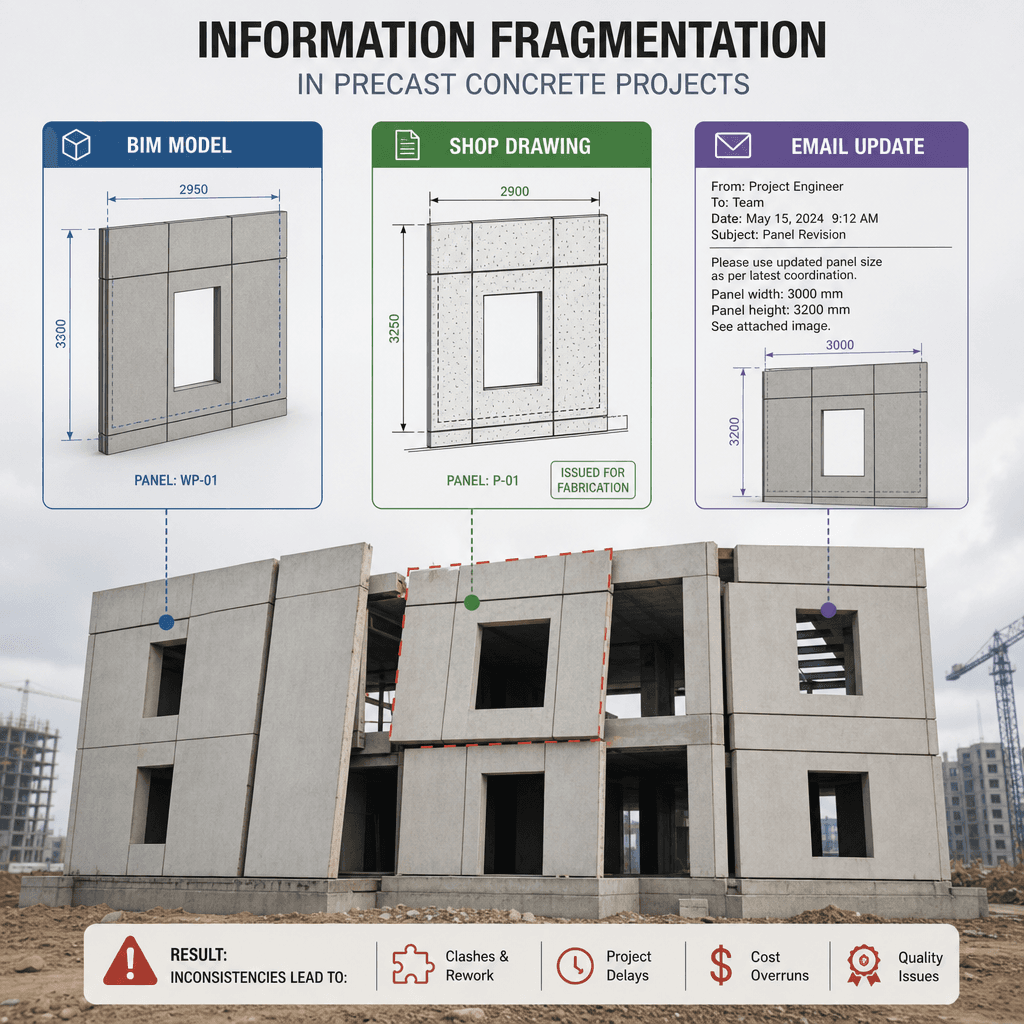
Collaboration is the backbone of any successful production strategy. BIM enhances communication among teams, ensuring alignment toward a common goal. Real-time updates and shared platforms mean that everyone, from architects to engineers, is on the same page, reducing misunderstandings and improving coordination.
Future Trends
Looking forward, the integration of technologies such as AI and Digital Twins with BIM promises to revolutionize precast production further. These innovations will drive even more efficiency and accuracy, ushering in an era of smarter, more agile production strategies.

Conclusion
In conclusion, BIM is reshaping the landscape of precast concrete production. It is more than a tool; it is a strategic partner that amplifies efficiency, quality, and collaboration. For those looking to harness this potential, Biminglabs offers tailored solutions that align with your production objectives. Visit our website to learn more about how we can support your precast projects.
Tags
More from the blog