24 November 2026 · 2 min read
A Panel That Is Easy to Manufacture Is Not Necessarily Easy to Install
By Biminglabs
A Panel That Is Easy to Manufacture Is Not Necessarily Easy to Install
Introduction
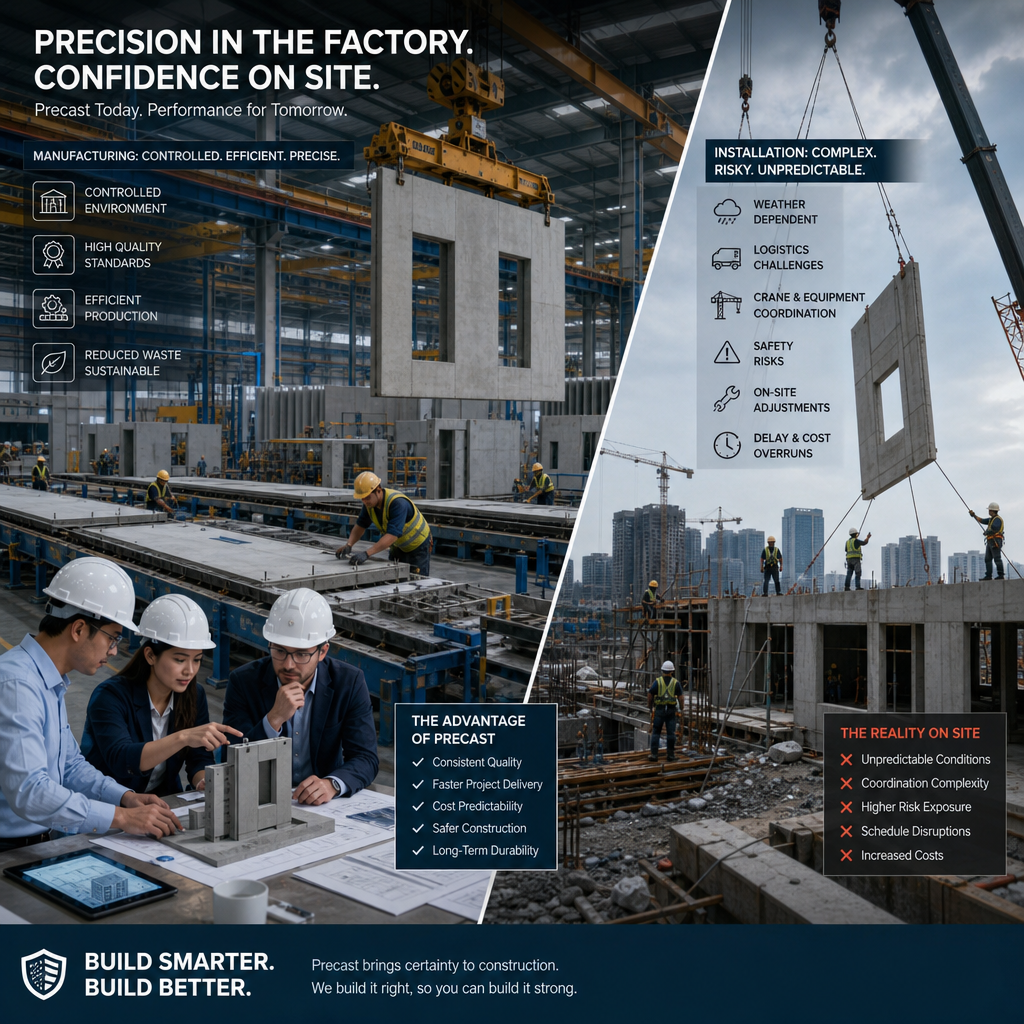
In the precast concrete industry, there's an unceasing drive to optimize factory operations. The precision of manufacturing and the quest for efficiency often take center stage. However, this focus on streamlining manufacturing processes can sometimes lead to unforeseen hurdles during installation. It's possible for a panel to meet all manufacturing criteria yet present significant challenges when it comes time for the installation crew to do their work.
The Manufacturing Perspective
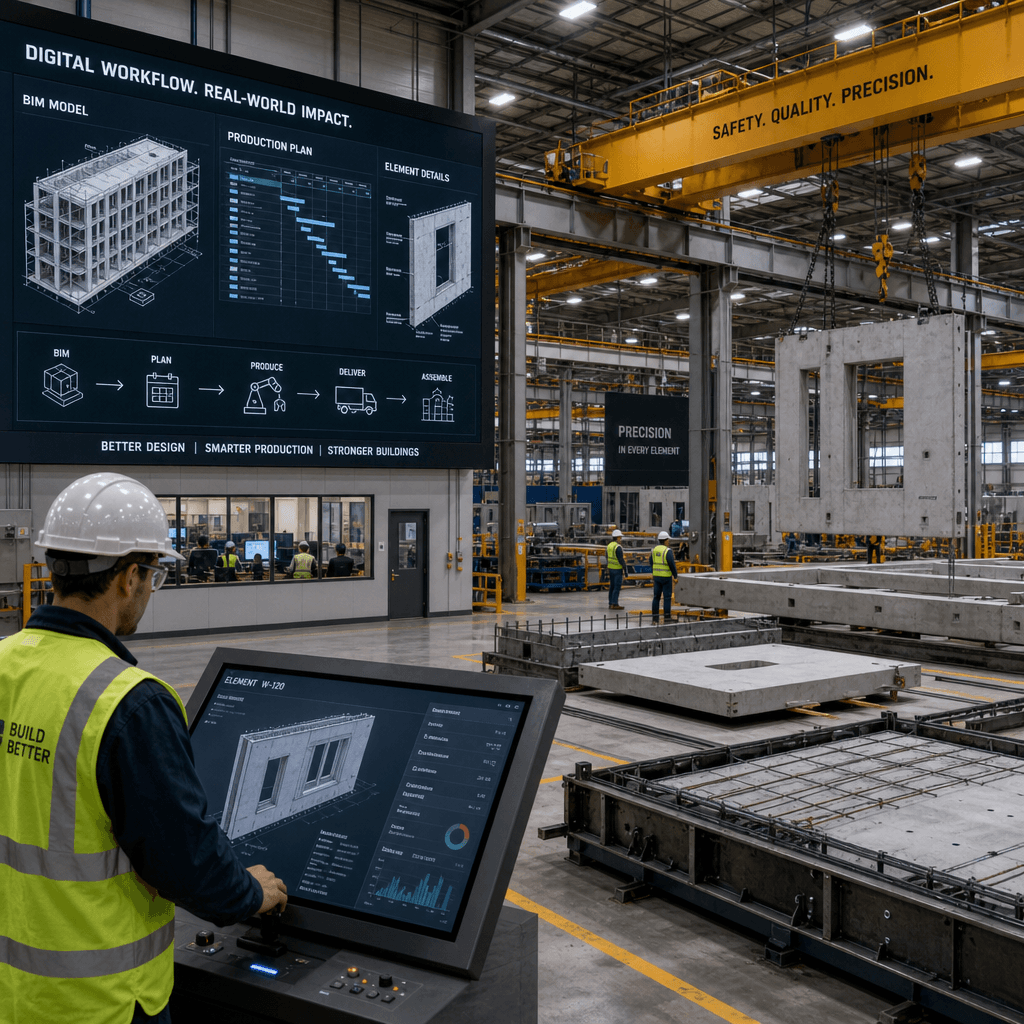
Precast manufacturers are typically driven by goals like improving cost-effectiveness, reducing material waste, and accelerating production timelines. Design decisions often revolve around simplifying the manufacturing process, such as reducing the number of complex shapes or adjustments required during production. This can lead to a focus on designs that are optimal for factory conditions but may not necessarily account for the on-site realities that the installation team must navigate.
Installation Reality
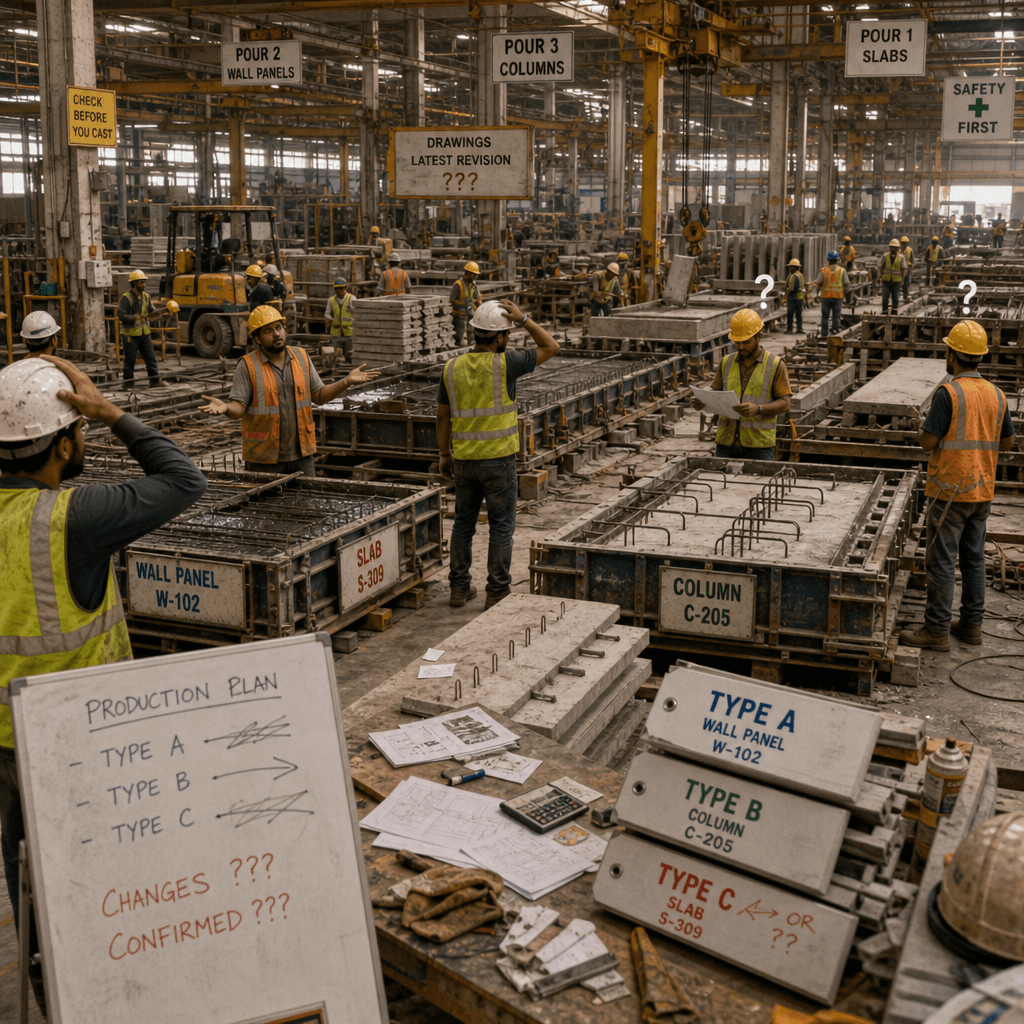
Once a panel leaves the factory, a new set of challenges comes into play. Installation crews frequently encounter difficulties resulting from over-optimized manufacturing decisions. For instance, panels that look perfect in the controlled environment of a factory may not account for on-site conditions like uneven terrain, limited space, or specific handling requirements. The result can be a panel that fits theoretical design standards but demands extra effort, time, and resources during installation.
Holistic Industrialized Construction
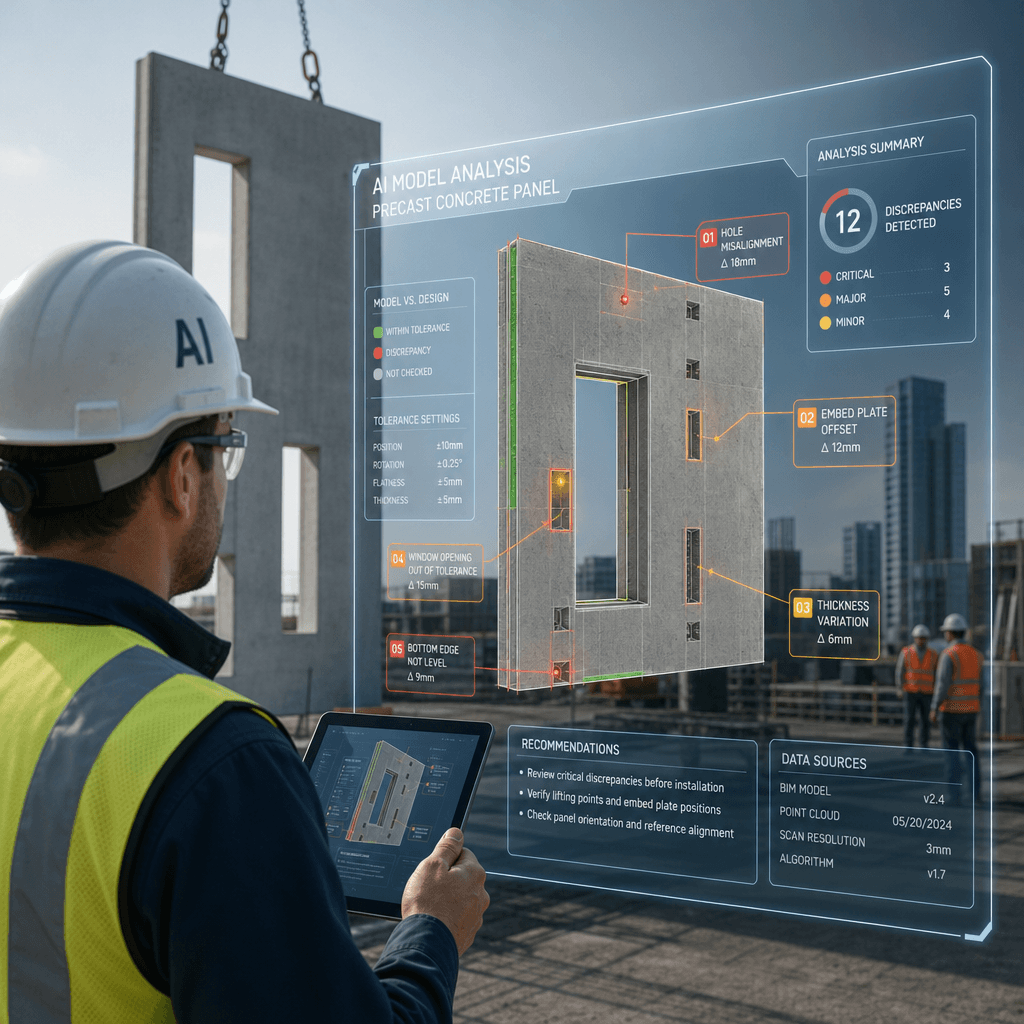
Addressing these dual challenges requires a shift from optimizing individual stages to creating a seamless end-to-end process. Holistic industrialized construction combines elements of design, manufacturing, and installation into a unified approach. By fostering collaboration between these different departments, potential challenges can be identified and mitigated early, ensuring that each decision supports the entire lifecycle of a precast project.
Benefits of the Integrated Approach
Implementing an integrated approach comes with numerous benefits, such as reduced installation times, lowered costs, and decreased risk of errors. Projects flow more smoothly, with fewer disruptions and enhanced coordination across teams. Ultimately, this leads to a more efficient and successful project delivery, where all stakeholders – from architects to manufacturers to installation crews – can work in harmony.
Conclusion
In the fast-paced world of precast concrete, it's important to widen our focus beyond the factory floor. By approaching projects with a holistic mindset, we can overcome the challenges of both manufacturing and installation, ensuring success from start to finish. If you're looking to optimize your workflows and achieve seamless integration across all phases of your project, Biminglabs is here to help. Contact us today for expert advice and solutions tailored to the precast industry.
Tags