11 November 2025 · 2 min read
From Email Threads to Model-First Approvals: Reducing Errors in Precast Concrete Projects
By Jim Mills

The Problem with Email Threads
For years, email threads have been a go-to method for communicating project changes and approvals. However, they come with their share of challenges. Miscommunication, lost messages, and the inability to visualize changes can lead to misunderstandings that snowball into significant errors in precast concrete projects.
What is Model-First Approval?
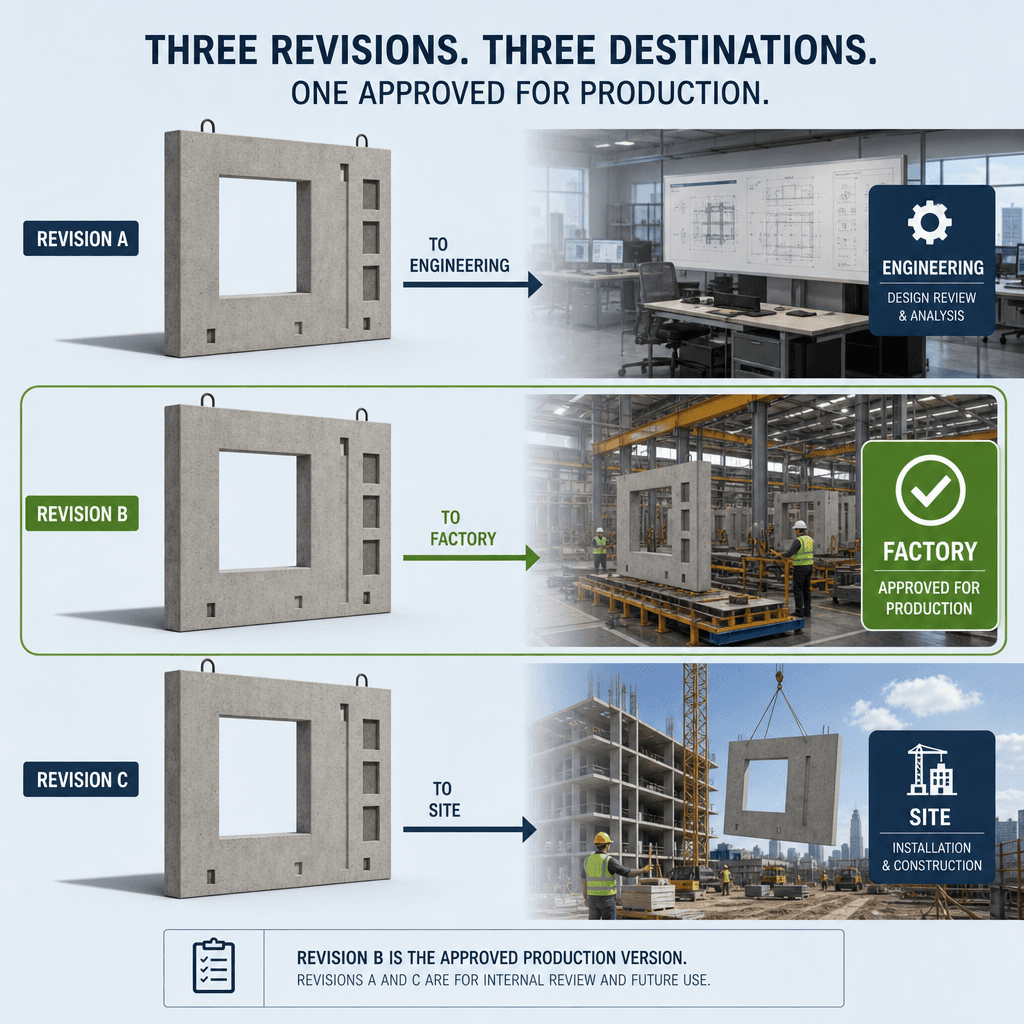
Model-first approval represents a paradigm shift from text-based communication to visually-driven decision-making processes. By using digital models, stakeholders can view and approve changes in real-time, allowing for more precise and informed decisions. This approach taps into the power of BIM, bridging the gap between information dissemination and actionable insights.
How Model-First Approvals Reduce Errors
Visual models offer a clarity that words simply cannot match. With real-time updates and centralized information, model-first approvals significantly decrease the risk of errors. Common issues associated with email threads, such as misinterpretation of design changes and overlooked details, can be avoided with this method.
Examples and Real-World Applications
Consider a scenario where a miscommunication in an email thread led to incorrect precast component specifications. This error could have resulted in significant costs and delays. However, with model-first approvals, stakeholders can visualize these components in 3D, ensuring any discrepancies are detected and corrected before implementation.

Implementation Tips for Transition
Transitioning to model-first approvals requires strategic planning. Companies should:
- Integrate BIM tools into their workflows.
- Train teams on the effective use of digital models.
- Establish protocols for reviewing and approving changes visually.
- Collaborate with BIM specialists, like Biminglabs, to streamline the transition.
Final Thoughts
The shift from email threads to model-first approvals not only reduces errors but also fosters a more collaborative and transparent construction environment. Precast manufacturers that embrace this transformation can expect enhanced project outcomes and reduced risk of costly mistakes.
At Biminglabs, we're committed to helping you transition smoothly into this modern era of construction communication. Contact us here https://www.biminglabs.com to explore how we can integrate BIM technology into your projects for seamless and error-free operations.
Tags
More from the blog