16 June 2026 · 2 min read
Expert Analysis: The Critical Role of Data-Driven Decision Making in Precast Concrete Success
By Biminglabs

Introduction
In an era where data drives innovation and efficiency, the precast concrete industry is witnessing a paradigm shift. As industries globally pivot to data-centric operations, precast concrete is no exception. Embracing data-driven decision-making is not just a trend; it's becoming a cornerstone for success in this sector.
The Current Landscape of Precast Concrete
Traditionally, decision-making in precast projects has relied heavily on experience and intuition. While these methods have served the industry well in the past, they often come with limitations such as human error and incomplete information. The need for more precise, informed decisions has never been more urgent as projects grow in complexity and scope.
The Rise of Data-Driven Decision Making
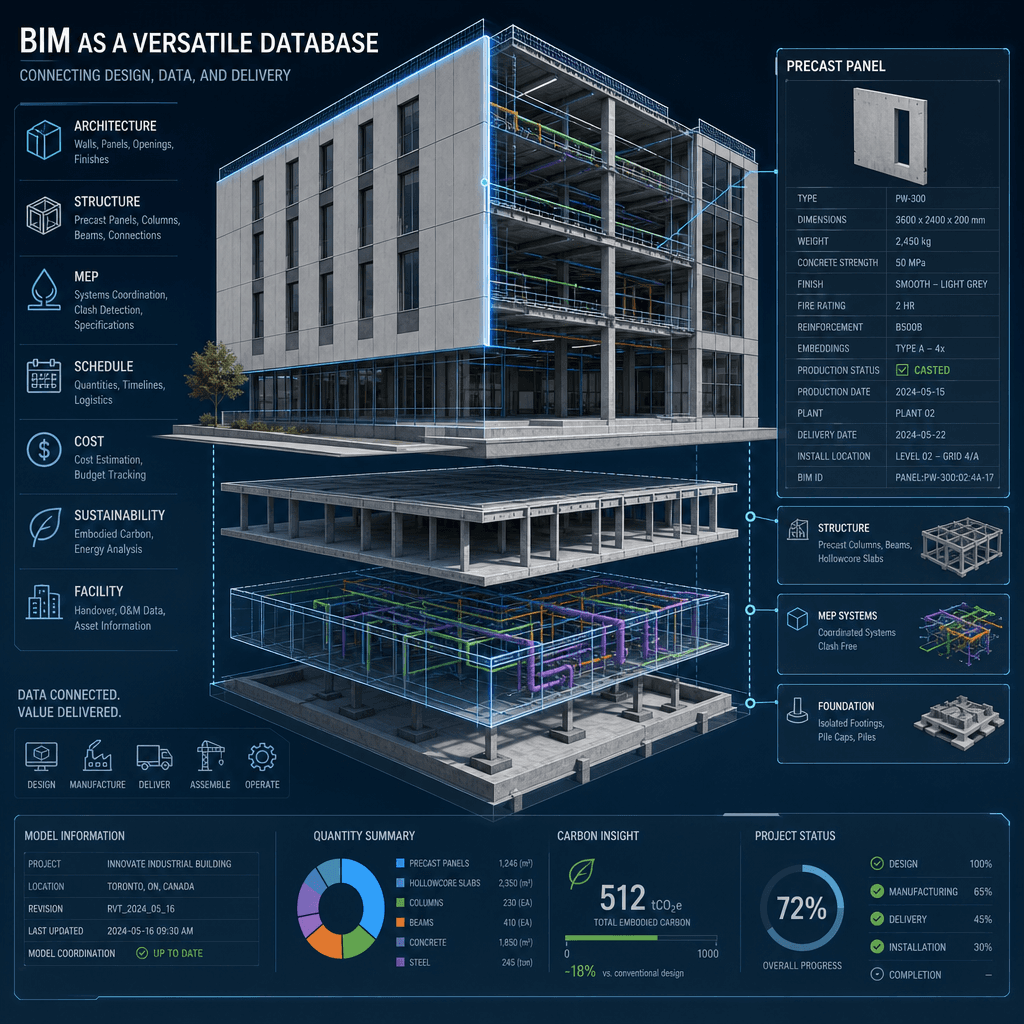
Data-driven decision-making is transforming the precast concrete industry by allowing companies to harness vast amounts of data from diverse sources. Key data types include detailed production metrics, sophisticated design models, logistics, and supply chain data. When analyzed effectively, these data points provide actionable insights that enhance decision-making across the board.
Benefits of Data-Driven Decisions in Precast Concrete
- Enhanced Efficiency and Productivity: Data allows for optimization of workflows, reducing bottlenecks, and improving timeline management.
- Improved Accuracy: With precise data analysis, project managers can forecast needs and constraints more accurately, leading to better resource management.
- Real-Time Decision Capabilities: Access to real-time data helps identify potential issues early, allowing for timely interventions that minimize disruptions and reduce risks of costly errors.
Challenges in Implementing Data-Driven Strategies
Despite the benefits, transitioning to a data-driven approach presents challenges. Organizations may face obstacles such as integrating disparate data systems, adopting new technologies, and overcoming resistance to cultural and operational changes within the workforce.
Expert’s Opinion: Strategic Steps to Foster a Data-Driven Culture
As an expert in the field, my view is that fostering a data-driven culture requires a strategic approach. Companies should:
- Invest in technology that facilitates seamless data integration and real-time analysis.
- Provide training to develop data literacy across all levels of the organization.
- Champion a cultural shift by highlighting success stories and tangible benefits of data-driven decisions.
- Collaborate with experts to design custom workflows that align data strategies with business goals.
Conclusion
Data-driven decision-making has become an integral aspect of achieving success in precast concrete projects. By leveraging data effectively, companies can unlock new levels of efficiency, precision, and innovation. It’s time for the industry to fully embrace data-driven strategies to ensure sustainable growth and competitive advantage.
For more insights and support in transitioning to data-driven methodologies in precast concrete projects, contact us at Biminglabs. Your project's success is our priority.
Tags